

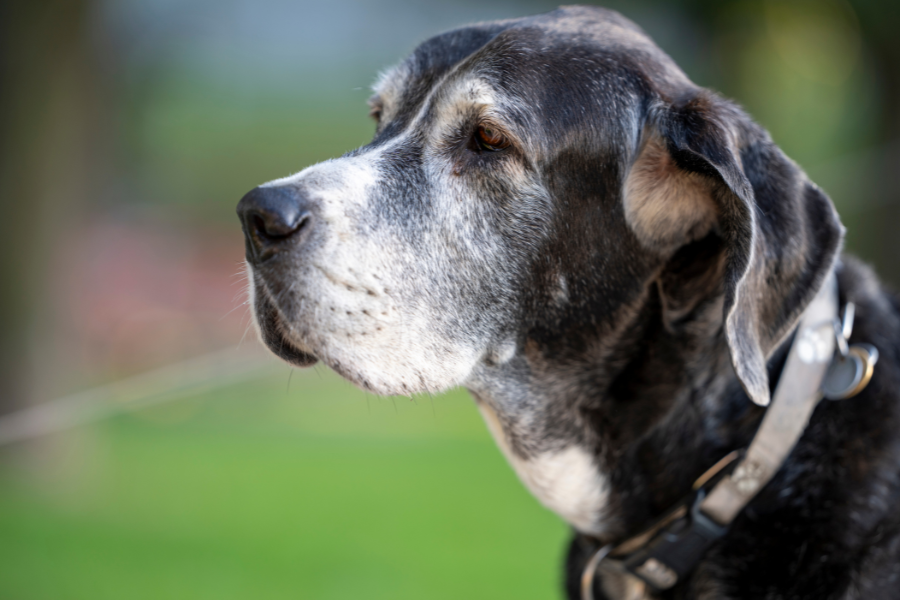
Watching a beloved dog grow older is rewarding, but aging also brings changes that deserve closer attention. Some senior dogs slow down gradually, while others develop noticeable changes in appetite, mobility, thirst, behavior, or bathroom habits. Recognizing senior dog health issues early can make it easier to investigate symptoms and maintain your dog’s comfort. At Bucksport Veterinary Hospital, Orland, ME, we help families understand the difference between normal aging and changes that deserve veterinary evaluation. Here are 10 common health concerns to watch for as your dog enters the senior years.
What Are the Most Common Senior Dog Health Issues?
Senior dogs can develop several chronic or age-related conditions. Some progress slowly and may initially look like ordinary aging.
| Health Issue | Common Signs |
| Arthritis | Stiffness, difficulty rising |
| Dental disease | Bad breath, chewing changes |
| Kidney disease | Increased thirst or urination |
| Vision changes | Bumping into objects |
| Hearing loss | Reduced response to sounds |
| Cognitive decline | Confusion or altered sleep |
| Heart disease | Coughing, reduced stamina |
| Diabetes | Increased thirst and urination |
| Skin growths | New lumps or changes |
| Weight changes | Muscle loss or unexplained gain |
As dogs age, regular veterinary attention becomes increasingly important.
1. Arthritis and Joint Problems
Arthritis can cause stiffness, reduced activity, reluctance to climb stairs, or difficulty getting up after resting. Some dogs still want to play despite discomfort, so subtle changes matter.
Your veterinarian can assess mobility and discuss ways to support comfort and daily function.
2. Dental Disease
Dental disease is common in older dogs and can cause bad breath, tartar buildup, sore gums, difficulty chewing, and changes in eating habits.
Dogs may continue eating despite oral discomfort, so a normal appetite does not always mean the mouth is healthy.
3. Kidney Disease
Kidney disease can develop gradually. Increased thirst, increased urination, weight loss, reduced appetite, vomiting, and low energy can be warning signs.
Blood and urine testing can help your veterinarian assess kidney function when these changes occur.
4. Vision Changes
Senior dogs may develop changes in vision that affect navigation. You might notice bumping into furniture, hesitation on stairs, or difficulty locating familiar objects.
Sudden vision changes should receive prompt veterinary attention.
5. Hearing Loss
Age-related hearing changes may cause your dog to respond less consistently when called. This can sometimes be mistaken for stubbornness.
Use visual cues and approach your dog calmly so you do not startle them.
6. Cognitive Changes
Some older dogs develop changes in memory, sleep patterns, house-training, or interaction with family members. Confusion and nighttime restlessness may be among the signs.
Your veterinarian can determine whether these changes are related to cognitive decline or another medical condition.
7. Heart Disease
Coughing, reduced exercise tolerance, weakness, breathing changes, or collapse can indicate heart problems. Not every cough is heart-related, but persistent changes deserve evaluation.
Sudden breathing difficulty or collapse is an emergency.
8. Diabetes
Increased thirst, increased urination, weight loss, and appetite changes can occur with diabetes. Laboratory testing can help determine what is causing these symptoms.
Early evaluation allows your veterinarian to identify the underlying problem and discuss treatment.
9. New Lumps or Skin Changes
Senior dogs can develop various skin growths. Some are harmless, while others require further investigation.
Monitor new lumps for changes in:
- Size
- Shape
- Color
- Texture
- Bleeding
- Discharge
Do not assume a new growth is harmless simply because your dog is old.
10. Unexplained Weight Changes
Weight loss can result from dental disease, metabolic disorders, gastrointestinal problems, kidney disease, or other conditions. Weight gain may also affect mobility and overall health.
A consistent weight-monitoring routine can help you spot changes earlier.
How Can a Senior Dog Wellness Visit Help?
Senior wellness visits provide an opportunity to compare your dog’s current condition with previous examinations. Your veterinarian in Orland may recommend bloodwork, urine testing, blood pressure measurement, imaging, or other veterinary treatments based on your dog’s symptoms and health history.
A hypothetical example involved an older dog whose family noticed that he was sleeping more and drinking more water. During his examination, the veterinarian recommended diagnostic testing, which identified changes requiring further evaluation. Early investigation allowed the family to begin appropriate management rather than assuming the changes were simply due to age.
When Should You Call a Veterinarian?
Not every change requires immediate veterinary care, but new or persistent symptoms should be discussed with your veterinarian.
Seek prompt attention for:
- Sudden weakness or collapse.
- Difficulty breathing.
- Repeated vomiting.
- Sudden vision changes.
- Severe pain.
- Inability to urinate.
- Rapid or unexplained weight loss.
Bucksport Veterinary Hospital, Orland, ME, can help determine whether a senior dog’s symptoms represent normal aging or an underlying medical condition.
Conclusion
Senior dogs can experience arthritis, dental disease, kidney problems, vision and hearing changes, cognitive changes, heart disease, diabetes, skin growths, and unexplained weight changes. The important point is that aging should not mean ignoring new symptoms. Regular examinations and appropriate diagnostic testing can help identify changes earlier and support your dog’s comfort. If your older dog is showing a new change in behavior, appetite, mobility, thirst, or energy, Bucksport Veterinary Hospital, Orland, ME, can help you determine what deserves further attention.
FAQs
Q1: What are the most common senior dog health issues?
A: Common concerns include arthritis, dental disease, kidney problems, vision changes, hearing loss, cognitive changes, heart disease, diabetes, skin growths, and unexplained weight changes.
Q2: How can I tell if my dog’s behavior is due to aging or illness?
A: New or worsening behavior changes should not automatically be attributed to age. A veterinary examination can help identify medical causes.
Q3: Can senior dog health issues be treated?
A: Many age-related conditions can be managed with medication, nutrition, lifestyle adjustments, monitoring, or other veterinary care. Treatment depends on the specific diagnosis.
Q4: How often should a senior dog see a veterinarian?
A: Senior dogs may benefit from more frequent examinations than younger adult dogs. Your veterinarian can recommend a schedule based on age and health.
Q5: When is a senior dog’s condition an emergency?
A: Difficulty breathing, collapse, severe weakness, sudden severe pain, or inability to urinate requires urgent veterinary attention.