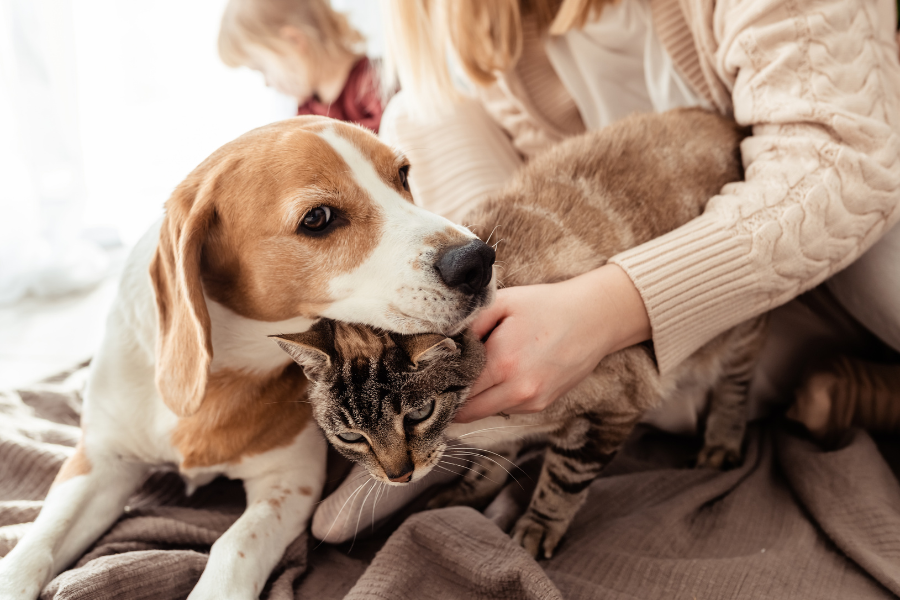


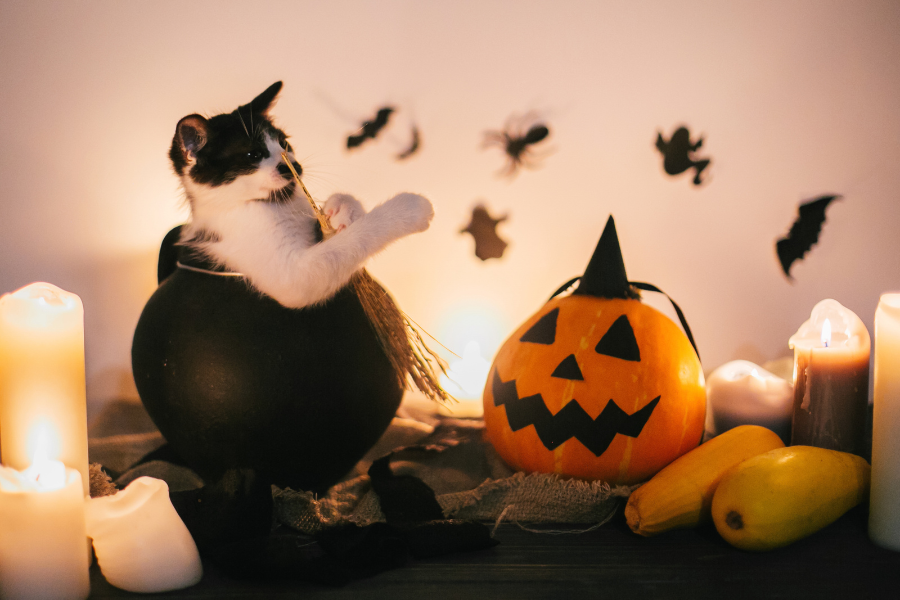
Sharing a special snack with your pet can be a fun part of family celebrations, but not every treat that is safe for people is suitable for dogs and cats. Sweet foods, chocolate, rich desserts, and some sugar-free products can cause serious health problems. Even snacks made with familiar ingredients may upset your pet’s stomach if they are too fatty, heavily seasoned, or offered in large amounts. Choosing appropriate treats helps you include your companion without putting their health at risk. Bucksport Veterinary Hospital in Orland, ME, shares safe snack ideas, ingredients to avoid, and practical ways to prevent accidental food poisoning while keeping treat time enjoyable for your pet.
What Halloween Treats Are Safe for Dogs and Cats?
Some pet-friendly treats include small portions of plain, cooked meat, certain pet-safe fruits and vegetables, and treats made specifically for dogs or cats. The safest option depends on your pet’s species, health, dietary needs, and any known food sensitivities. Offer new foods in small amounts and avoid ingredients that may be unsafe for your companion.
For dogs, possible snack options include:
- Plain cooked chicken or turkey: Offer small pieces without bones, skin, heavy seasoning, or sauces.
- Carrot pieces: Serve small, appropriately sized pieces to reduce choking risk.
- Plain pumpkin: Use plain cooked pumpkin or pure pumpkin without added sugar or spices.
- Apple pieces: Remove the seeds and core, then offer a small amount.
- Commercial dog treats: Choose products suitable for your dog’s size and follow the feeding guidance.
Cats have different nutritional needs and should receive treats suited to their diet. Suitable options may include small pieces of plain cooked chicken or turkey without bones or seasoning, or commercially prepared cat treats. Cats are obligate carnivores, meaning they rely on nutrients found in animal-based foods, so meat-based treats are often a more appropriate choice than fruit or vegetables.
Keep portions small. Treats should not replace a balanced diet, and too many snacks can contribute to weight gain or digestive upset. If your pet has diabetes, food allergies, kidney disease, a sensitive stomach, or another health condition, ask your veterinarian which treats are appropriate.
Which Ingredients Should Pets Avoid?
Some ingredients found in sweets and snack foods can be toxic to pets, while others may cause digestive upset or physical injury. Read ingredient labels carefully, especially when offering packaged foods or sharing a snack from your own plate.
Important ingredients and foods to avoid include:
- Chocolate: Contains theobromine and caffeine, which can harm a pet’s heart and nervous system.
- Xylitol: This sweetener can cause a dangerous drop in blood sugar in dogs and may lead to severe complications.
- Raisins and grapes: These can cause serious kidney problems in dogs, and the toxic amount is difficult to predict.
- Macadamia nuts: Can cause illness in dogs, including weakness and difficulty walking.
- Alcohol: Even small amounts can be dangerous to pets.
- Caffeine: Coffee, energy products, and certain desserts may contain harmful amounts.
- Onion and garlic: These ingredients can damage red blood cells, particularly with sufficient exposure.
- Very fatty foods: Rich desserts, greasy leftovers, and fatty meat scraps may cause digestive upset and can contribute to pancreatitis.
Hard candies, lollipops, and other small items can also present choking risks. Wrappers and plastic packaging may cause an intestinal blockage if swallowed.
Do not assume that a product is safe simply because it is labeled natural, sugar-free, or low in sugar. Check the full ingredient list, and keep questionable foods out of your pet’s reach. If your pet eats something potentially toxic, contact a veterinarian promptly rather than waiting for symptoms.
Can Dogs and Cats Eat Pumpkin, Apples, or Peanut Butter?
Some plain fruits and other familiar foods can be suitable for pets in small amounts, but preparation and ingredients matter. Pumpkin, apple, and peanut butter are not automatically safe in every form, so choose carefully and offer only small portions.
Pumpkin: Plain cooked pumpkin or plain canned pumpkin without added sugar or spices may be suitable for many dogs and cats in small quantities. Do not use pumpkin pie filling, which may contain added sugars and spices. Too much pumpkin can also upset your pet’s stomach.
Apples: Small pieces of apple flesh can be an occasional snack for many dogs. Remove the seeds and core, cut the fruit into manageable pieces, and supervise your pet while eating. Cats may show little interest in fruit, and it is not necessary to include it in their diet.
Peanut butter: Some dogs can have a small amount of plain peanut butter, but check the label carefully. Never offer a product containing xylitol. Peanut butter is also high in fat and calories, so it should only be an occasional treat. It is not a necessary snack for cats.
If you introduce any new food, start with a small portion and watch for vomiting, diarrhea, itching, or other unusual reactions. Pets with known food allergies or medical conditions may need a more restricted diet. When in doubt, ask your veterinarian before offering a new ingredient.
How Can You Make Homemade Treats for Pets?
Homemade treats can be a simple way to offer your pet something different, provided you use suitable ingredients and prepare them safely. Keep recipes plain, avoid toxic seasonings, and choose portions that fit your pet’s size and dietary needs.
Here are a few simple ideas:
For Dogs
- Pumpkin bites: Mix plain pumpkin with a small amount of dog-safe ingredients, then bake into small treats without added sugar or spices.
- Chicken pieces: Cook boneless chicken thoroughly without salt, butter, garlic, onion, or sauces. Allow it to cool and cut it into small pieces.
- Carrot snacks: Wash carrots and cut them into pieces that suit your dog’s size. Supervise your dog while chewing.
For Cats
- Plain cooked chicken: Offer a few small, boneless pieces with no seasoning.
- Cat-specific treats: Choose a treat designed for cats and follow the package directions.
- Small portions of cooked fish: If suitable for your cat, offer plain, thoroughly cooked, boneless fish occasionally rather than as a complete meal.
Store homemade treats safely and discard anything that has spoiled. Avoid adding chocolate, raisins, grapes, xylitol, or other unsafe ingredients. Raw dough and foods containing raw eggs can also create health risks.
Remember that homemade does not automatically mean healthier. Keep treats occasional and make sure your pet continues to receive a complete, balanced diet. If your pet has dietary restrictions, check with your veterinarian before changing their food routine.
How Much Treat Food Should You Give Your Pet?
Treats should make up only a small part of your pet’s daily food intake. A commonly used guideline is to keep treats and other extras to no more than about 10% of daily calories, with the remaining calories coming from a complete and balanced diet. Some pets may need an even lower amount because of weight concerns or medical conditions.
Use these tips to keep portions under control:
- Offer small pieces rather than a full serving of human food.
- Count training rewards and snacks as part of your pet’s daily intake.
- Reduce other treats if your pet has already received several snacks.
- Avoid feeding from the table, where portions can quickly add up.
- Use your pet’s regular food for rewards when appropriate.
Small dogs and cats can consume a large number of calories from just a few bites of rich food. Too many treats may lead to weight gain, digestive problems, or an unbalanced diet over time.
Hypothetical example: A family wants to give their dog a special snack while preparing a meal. Instead of sharing seasoned leftovers, they set aside a few small pieces of plain, fully cooked chicken before adding sauces or spices. They count the snack toward the dog’s daily treats and keep the remaining food out of reach. This simple change allows the dog to enjoy a treat without unnecessary ingredients or excessive portions.
For pets with a sensitive stomach, food allergies, or chronic health conditions, ask your veterinarian for guidance on suitable treats and portion sizes.
What Should You Do If Your Pet Eats an Unsafe Treat?
If your pet eats a potentially toxic ingredient, contact your veterinarian promptly. Do not wait for symptoms, because some harmful foods can cause problems before you notice a change in your pet’s behavior.
Take these steps:
- Identify the food: Keep the packaging or write down the ingredients.
- Estimate the amount: Note how much your pet may have eaten.
- Record the time: Tell your veterinarian when the ingestion occurred.
- Watch for symptoms: Look for vomiting, diarrhea, weakness, unusual behavior, or changes in breathing.
- Follow veterinary advice: Do not induce vomiting or give home remedies unless a veterinarian specifically directs you to do so.
Seek urgent veterinary care if your pet has seizures, collapses, struggles to breathe, becomes severely weak, or shows other serious symptoms. If the food contains chocolate, xylitol, raisins, grapes, or another known hazard, contact a veterinarian immediately even if your pet seems normal. Early advice helps the veterinary team assess the risk and decide what care is needed. Keep emergency contact information available and make sure everyone in the household knows not to share unknown foods with pets.
Conclusion
Sharing treats with your pet can be enjoyable when you choose ingredients carefully and keep portions small. Plain cooked meat, selected fruits and vegetables, and treats made for dogs or cats may be suitable for many pets, but individual dietary needs matter. Avoid chocolate, xylitol, grapes, raisins, macadamia nuts, and other unsafe ingredients, and check labels before offering packaged foods. If your pet eats a potentially toxic treat, contact a veterinarian promptly rather than waiting for symptoms. Bucksport Veterinary Hospital in Orland, ME, encourages pet owners to seek veterinary guidance when they are unsure about a food or their pet’s reaction to it. A little planning can help keep snack time safer for the whole family.
Frequently Asked Questions
Q1: What treats can dogs safely eat?
A: Many dogs can enjoy small portions of plain cooked chicken, carrot pieces, apple flesh without seeds or core, and plain pumpkin. Avoid added seasonings, sauces, and ingredients that are toxic to dogs. Introduce new foods gradually and ask your veterinarian about treats if your dog has health or dietary concerns.
Q2: What treats are safe for cats?
A: Cat-specific treats and small pieces of plain, boneless cooked meat are suitable options for many cats. Cats have different nutritional needs from dogs, so treats should be appropriate for their species and should not replace a balanced diet. Check with your veterinarian if your cat has a medical condition or food sensitivity.
Q3: Why is xylitol dangerous for dogs?
A: Xylitol can cause a rapid drop in blood sugar in dogs and may lead to severe complications. It can be found in some sugar-free products, so check ingredient labels carefully. If your dog eats a product containing xylitol, contact a veterinarian immediately.
Q4: How many treats can I give my pet each day?
A: A common guideline is to keep treats and other extras to about 10% or less of daily calories, but some pets need fewer. The right amount depends on your pet’s size, activity, body condition, and health. Your veterinarian can help you choose suitable portions.
Q5: What should I do if my pet eats a food that may be toxic?
A: Contact your veterinarian promptly and provide the food’s packaging, ingredients, estimated amount eaten, and time of ingestion. Do not wait for symptoms or attempt home treatment unless directed by a veterinarian. Seek urgent care immediately if your pet has difficulty breathing, seizures, collapse, or severe weakness.