


When your dog suddenly starts limping, your cat refuses food, or your pet develops repeated vomiting, it can be hard to know what to do next. You may wonder whether your pet needs to be seen right away or whether the problem can wait for a regular appointment. A veterinary urgent care visit helps address sudden illnesses and injuries that need prompt attention. Knowing what happens during the appointment can make the experience less stressful for both you and your pet. At Bucksport Veterinary Hospital in Orland, ME, the team provides in-house urgent care to assess sudden health concerns and guide pets toward appropriate treatment.
What Happens During a Veterinary Urgent Care Visit?
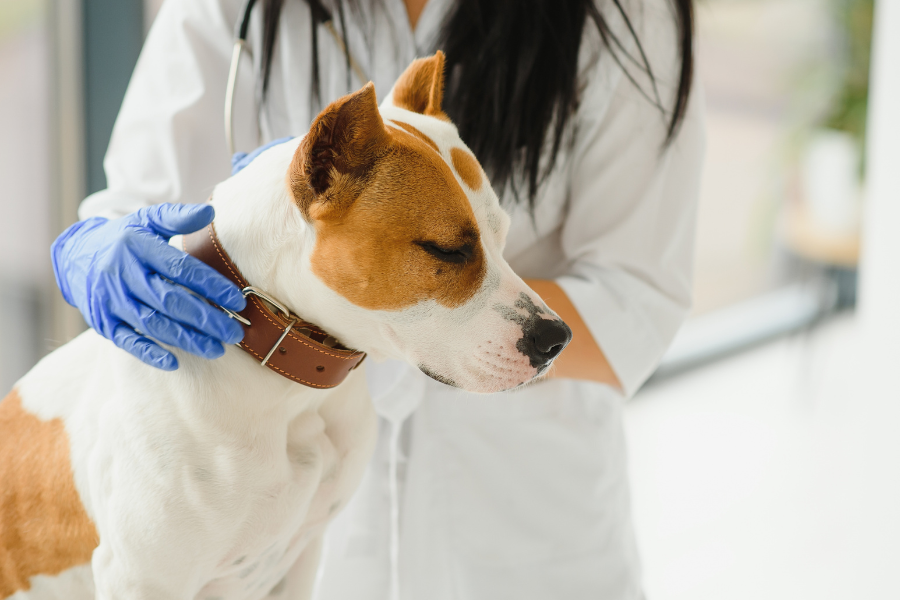
A veterinary urgent care visit usually begins with a quick assessment of your pet’s condition, followed by a focused physical examination. Depending on the symptoms, your veterinarian may recommend diagnostic tests, treatment, or follow-up care.
The goal is to understand what is causing your pet’s discomfort and decide what care is needed. Each visit is different because the examination and treatment depend on your pet’s symptoms, medical history, and overall health.
You can generally expect these steps:
- Initial assessment: The veterinary team asks about your pet’s symptoms and checks how your pet is doing.
- Medical examination: A veterinarian examines your pet and focuses on the affected areas.
- Diagnostic testing: Tests such as digital X-rays, ultrasound, or laboratory work may be recommended.
- Treatment discussion: Your veterinarian explains the findings and discusses suitable treatment options.
- Next steps: You receive instructions about home care, monitoring, and any follow-up appointments.
The team may also ask when the symptoms began, whether they have changed, and whether your pet has eaten, drunk water, or behaved differently.
Which Pet Health Problems May Need Urgent Veterinary Care?
Some health concerns develop quickly and need attention sooner than a routine checkup. A sudden change in your pet’s movement, appetite, breathing, or behavior can be a sign that something is wrong.
Common reasons to contact a veterinary clinic for urgent care include:
- Sudden limping or difficulty walking
- Cuts, wounds, or bleeding
- Repeated vomiting or diarrhea
- Persistent coughing
- Sudden swelling or painful areas
- Signs of discomfort, such as crying or avoiding movement
- Severe itching or skin irritation
- Sudden changes in appetite or energy
The severity of a symptom can vary. For example, a mild limp may have a different cause from a pet that cannot put weight on a leg. Your veterinarian can help determine how quickly your pet should be examined.
If your pet has difficulty breathing, collapses, has uncontrolled bleeding, or cannot stand, seek immediate veterinary guidance rather than waiting for a routine appointment. Calling ahead can help the clinic understand your pet’s condition and advise you on the next step.
How Should You Prepare for an Urgent Vet Appointment?
A little preparation can help the veterinary team understand what happened and make the appointment more productive. Even if the problem began suddenly, try to gather as much information as possible before leaving home.
Consider preparing the following:
- Symptom timeline: Note when you first noticed the problem and whether it has become worse.
- Medical history: Be ready to discuss past health concerns, ongoing conditions, and current medications.
- Eating and drinking habits: Mention changes in appetite, water intake, or bathroom habits.
- Photos or videos: If your pet has an unusual movement, coughing episode, or skin reaction, a short video may help.
- Possible exposure: Tell the veterinarian if your pet may have swallowed an object or come into contact with something unusual.
Keep your pet as calm and comfortable as possible while preparing for the visit. Avoid giving human medication unless a veterinarian has specifically instructed you to do so. Some common household medicines can be harmful to animals.
What Happens During the Examination and Treatment?
Once the veterinary team has gathered the basic information, the veterinarian performs an examination based on your pet’s symptoms. This may include checking the eyes, ears, mouth, skin, abdomen, heart, lungs, joints, and movement.
If the physical examination does not provide enough information, diagnostic testing may be recommended. Bucksport Veterinary Hospital offers several diagnostic options, including digital X-rays, ultrasound imaging, and an in-house laboratory.
These tools help veterinarians investigate different concerns:
| Diagnostic tool | What it can help evaluate |
|---|---|
| Digital X-rays | Bones, joints, chest structures, and some swallowed objects |
| Ultrasound | Internal organs, soft tissues, fluid, and certain masses |
| Laboratory testing | Blood, urine, and other samples to assess health concerns |
Treatment depends on the findings. It may involve medication, wound care, supportive treatment, or additional testing. Your veterinarian will explain the options and discuss what your pet needs next.
Hypothetical example: A dog named Cooper arrives after suddenly refusing to put weight on one back leg. During the examination, the veterinarian notices swelling around the lower limb and recommends digital X-rays to check for a bone injury. The images help guide the next steps, and Cooper’s family receives a treatment and activity plan based on the findings.
This example shows why an examination is important. The same symptom can have several possible causes, and the right treatment depends on identifying the problem.
How Can You Care for Your Pet After an Urgent Visit?
Your pet may need rest and observation after receiving veterinary care. Follow the instructions provided by the veterinarian, even if your pet seems more comfortable shortly after treatment.
At home, you can:
- Give prescribed medication exactly as directed.
- Follow activity restrictions and avoid strenuous play if advised.
- Keep fresh water available unless your veterinarian gives different instructions.
- Monitor appetite, energy, movement, and bathroom habits.
- Keep wounds or treated areas clean according to the care instructions.
- Attend recommended follow-up appointments.
Contact your veterinary clinic if symptoms return, become worse, or fail to improve as expected. Do not change medication doses or stop treatment early without veterinary guidance.
When Should You Contact a Veterinarian?
Trust your observations when something about your pet seems unusual. A sudden change in behavior, appetite, movement, or comfort can be worth discussing with a veterinarian.
Contact a veterinary clinic promptly if your pet develops persistent vomiting, repeated diarrhea, sudden pain, unexplained swelling, or a new injury. If your pet has trouble breathing, collapses, or has uncontrolled bleeding, seek immediate veterinary help.
When you are unsure, call and describe what you are seeing. The veterinary team can help you decide whether your pet needs to be examined right away or whether a scheduled appointment is suitable.
Conclusion
A veterinary urgent care visit gives your pet timely attention when a sudden illness or injury cannot comfortably wait for a routine appointment. The process may include an initial assessment, physical examination, diagnostic testing, treatment, and clear instructions for home care. Preparing a symptom timeline and sharing your pet’s medical history can also help the veterinary team. If your pet needs prompt attention, Bucksport Veterinary Hospital in Orland, ME is available to help assess the concern and discuss appropriate care. Contact the clinic at 207-469-3614 to explain your pet’s symptoms and ask about the next steps.
Frequently Asked Questions
Q1. What is a veterinary urgent care visit?
Ans: A veterinary urgent care visit is an appointment for a sudden illness or injury that needs prompt attention. It allows a veterinarian to examine your pet, identify possible causes, and recommend treatment.
Q2. How long does an urgent vet appointment take?
Ans: The length of the appointment depends on your pet’s symptoms and the tests needed. A straightforward examination may take less time than a visit requiring imaging or laboratory testing.
Q3. Can my pet have diagnostic tests during an urgent care visit?
Ans: Yes, diagnostic testing may be recommended when the veterinarian needs more information. Bucksport Veterinary Hospital offers digital X-rays, ultrasound, and in-house laboratory testing.
Q4. Should I call before bringing my pet in for urgent care?
Ans: Calling ahead is helpful because it allows the clinic to learn about your pet’s symptoms and prepare for the visit. The team can also provide guidance about what to do before you arrive.
Q5. What should I bring to an urgent veterinary appointment?
Ans: Bring your pet’s available medical records and information about current medications. Photos or videos of unusual symptoms can also help the veterinarian understand what has been happening.