

Your pet’s gums can offer helpful clues about their health. Healthy gums are usually pink, although normal color can vary slightly between pets. If you notice that your dog’s or cat’s gums look pale, white, gray, or unusually light, it is important to pay attention. Pale gums in pets can sometimes point to poor circulation, blood loss, anemia, or another health problem that needs prompt attention. The change may be difficult to notice if your pet has dark pigmentation around the mouth, but checking the areas of pink gum tissue can help. Bucksport Veterinary Hospital in Orland, ME, explains what pale gums may mean, which other signs to watch for, and when your pet needs urgent veterinary care.
Why Are My Pet’s Gums Pale, and When Should I Worry?
Pale gums in pets can be a sign of anemia, internal or external blood loss, poor circulation, shock, or other serious health conditions. If your pet’s gums suddenly become white or very pale, seek urgent veterinary help, especially if your pet is weak, breathing rapidly, collapsing, or unusually quiet. Even without other symptoms, a noticeable change in gum color deserves prompt veterinary advice.
Gum color is useful because it can reflect how well blood is carrying oxygen through your pet’s body. However, gum color alone cannot identify the exact cause of a problem. A veterinarian needs to assess your pet’s overall condition.
Look for these concerning changes:
- Very pale or white gums: May indicate anemia, blood loss, or reduced blood flow.
- Gray or bluish gums: Can signal a serious problem with oxygen delivery and require immediate veterinary attention.
- Yellow gums: May be associated with problems involving the liver or the breakdown of red blood cells.
- Red or dark red gums: Can occur with inflammation, overheating, or certain circulation problems.
Your pet may also show weakness, unusual tiredness, rapid breathing, a fast heartbeat, poor appetite, or difficulty standing.
Some pets naturally have dark or spotted gums, so compare the visible pink areas with what is normal for your companion. If you cannot tell whether the color has changed, do not delay care when your pet seems unwell. Sudden pale gums combined with weakness, breathing changes, or collapse should always be treated as urgent.
What Causes Pale Gums in Dogs and Cats?
Several conditions can cause pale gums, ranging from blood loss to illnesses that affect the body’s ability to produce or maintain healthy red blood cells. Red blood cells carry oxygen to tissues, so a shortage of these cells can make the gums look lighter than usual. Poor circulation can also reduce the normal pink color.
Possible causes include the following.
Anemia
Anemia occurs when the body does not have enough healthy red blood cells or hemoglobin to carry oxygen effectively. It may develop because of blood loss, the destruction of red blood cells, or problems with their production.
Possible underlying causes include certain infections, immune system disorders, chronic illness, and exposure to harmful substances. Signs can include pale gums, tiredness, weakness, and reduced interest in normal activities.
Blood Loss
Bleeding can happen after an injury, but blood loss is not always visible. Internal bleeding may occur after trauma or because of certain medical conditions. A pet with internal bleeding may have pale gums, weakness, a swollen belly, rapid breathing, or collapse.
Poor Circulation or Shock
Shock occurs when the body’s organs do not receive enough blood flow and oxygen. Severe dehydration, major injury, significant blood loss, and some serious illnesses can contribute to this condition.
Other Medical Problems
Kidney disease, certain blood disorders, and other long-term illnesses can affect red blood cell levels or circulation. Some pets may develop pale gums gradually, along with weight loss, reduced appetite, or lower energy.
Because these causes can look similar at home, it is not possible to diagnose the problem by gum color alone. A veterinary examination can help identify the cause and determine how quickly treatment is needed.
What Other Symptoms Should You Watch for Along With Pale Gums?
Pale gums become especially concerning when they appear with changes in your pet’s behavior, breathing, strength, or appetite. These additional signs can help indicate how urgently your pet needs care, although their absence does not rule out a serious problem.
Watch for the following symptoms:
- Weakness or collapse: Your pet may struggle to stand, walk, or respond normally.
- Rapid or difficult breathing: Your pet may breathe faster than usual while resting or appear to work harder to breathe.
- Unusual tiredness: Activities that normally excite your pet may seem difficult.
- A swollen or painful belly: This can sometimes occur with internal bleeding or other serious abdominal problems.
- Loss of appetite: Your pet may refuse food or show little interest in treats.
- Dark or bloody stool: Black, tar-like stool or visible blood may indicate bleeding in the digestive tract.
- Changes in responsiveness: Your pet may seem confused, unusually quiet, or difficult to wake.
For example, a dog who has pale gums after being struck by a vehicle needs immediate veterinary assessment, even if there is no visible wound. Internal injuries can cause serious blood loss without obvious external bleeding.
If your pet has pale or white gums along with difficulty breathing, collapse, severe weakness, or suspected bleeding, go to an urgent veterinary care facility immediately. Keep your pet as calm as possible and avoid unnecessary movement if an injury is suspected. Do not wait to see whether the symptoms improve on their own.
How Do Veterinarians Diagnose and Treat Pale Gums?
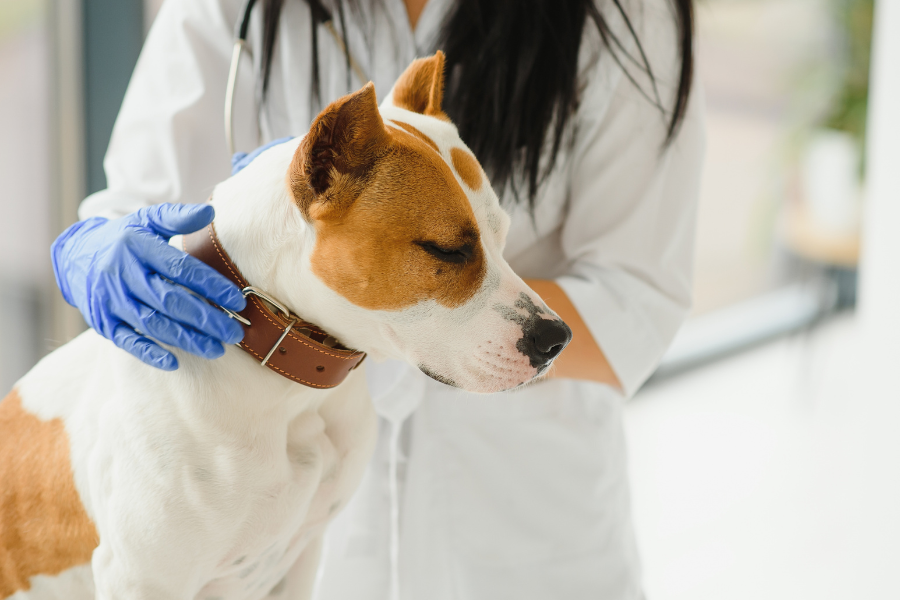
Veterinarians begin by examining your pet and checking gum color, circulation, heart rate, breathing, and overall responsiveness. They will ask when you first noticed the change and whether your pet has had an injury, recent illness, unusual exposure, or changes in appetite and energy. Depending on the findings, blood tests and other diagnostic procedures may be needed.
Common parts of an evaluation include:
- Physical examination: The veterinarian checks gum color, hydration, circulation, breathing, and signs of pain or injury.
- Blood tests: A complete blood count can help identify anemia and changes in blood cells. Other tests may assess organ function or look for clues about the underlying cause.
- Imaging: X-rays or ultrasound may be recommended if internal bleeding, injury, or an abdominal problem is suspected.
- Additional testing: Depending on the case, further tests may be needed to investigate blood disorders, infections, or other medical conditions.
Treatment depends on what is causing the pale gums. A pet with severe blood loss or shock may need immediate stabilization and intensive care. Anemia caused by an underlying illness may require treatment for that condition, while other cases may need fluids, medication, or additional supportive care.
Hypothetical example: A senior dog becomes unusually tired during a routine walk, and the owner notices that the dog’s gums look much lighter than normal. At the veterinary hospital, the veterinarian finds additional signs of weakness and recommends blood testing. The results show anemia, prompting further investigation to determine the underlying cause and guide treatment.
This example shows why the color change should not be ignored. The goal is not only to address the pale gums but also to identify the health problem responsible for them.
What Should You Do If Your Pet Has Pale Gums?
If your pet’s gums suddenly look pale, contact a veterinarian promptly. When the gums are white or gray, or the change occurs with weakness, rapid breathing, collapse, or suspected bleeding, seek urgent veterinary care immediately.
While arranging care, follow these steps:
- Keep your pet calm and limit unnecessary activity.
- Call the veterinary hospital and describe the gum color and any other symptoms.
- If your pet has experienced an accident, explain what happened and when.
- Avoid giving human medications or home remedies unless a veterinarian directs you to do so.
- If your pet is weak or having trouble breathing, avoid forcing food or water.
- Transport your pet carefully and follow the veterinary team’s instructions.
Do not press hard on the gums or repeatedly examine your pet if doing so causes distress. A home gum check cannot replace a veterinary assessment, and trying to perform additional tests may delay necessary treatment.
If your pet’s gums are naturally dark, you may find it harder to identify a color change. Pay attention to other signs, such as unusual weakness, changes in breathing, or reduced responsiveness. When something seems wrong, contacting your veterinarian is safer than relying on a home observation alone.
Conclusion
Pale gums can be an important warning sign in dogs and cats. Possible causes include anemia, blood loss, poor circulation, and other health problems, some of which need urgent treatment. Watch for additional symptoms such as weakness, rapid breathing, a swollen belly, or collapse, and seek urgent veterinary help if these appear alongside pale or white gums. Do not try to diagnose the cause based on gum color alone. Bucksport Veterinary Hospital in Orland, ME, encourages pet owners to contact a veterinarian whenever they notice a sudden or unusual change in gum color. Call us at 207-469-3614 for prompt evaluation, as this can help identify the underlying problem and give your pet the best chance of receiving appropriate care.
Frequently Asked Questions
Q1: What color should a dog’s or cat’s gums normally be?
A: Healthy gums are usually pink, although the exact shade varies between pets. Some dogs and cats naturally have dark or spotted gums. Knowing your pet’s normal gum color can help you notice changes, but any sudden change accompanied by illness needs prompt veterinary attention.
Q2: Can pale gums in pets be caused by anemia?
A: Yes. Anemia reduces the amount of healthy red blood cells or hemoglobin available to carry oxygen around the body. It can cause pale gums, weakness, and tiredness. A veterinarian can use blood tests to check for anemia and investigate its cause.
Q3: Can pale gums mean my pet is bleeding internally?
A: Yes, internal bleeding is one possible cause of pale gums, although other conditions can produce the same sign. A pet with pale gums, weakness, a swollen belly, or a recent injury needs urgent veterinary assessment. Do not wait for visible bleeding before seeking care.
Q4: How do veterinarians treat pale gums in pets?
A: Treatment depends on the underlying cause. A veterinarian may recommend blood tests, imaging, fluids, medication, or more intensive treatment if there is severe blood loss or shock. Treating the cause is essential rather than focusing on gum color alone.
Q5: When should I seek urgent veterinary help for pale gums?
A: Seek urgent care if your pet has white or very pale gums, especially with weakness, rapid or difficult breathing, collapse, or suspected bleeding. Gray or bluish gums also require immediate attention. If you notice a new color change but your pet seems otherwise normal, contact your veterinarian promptly for advice.