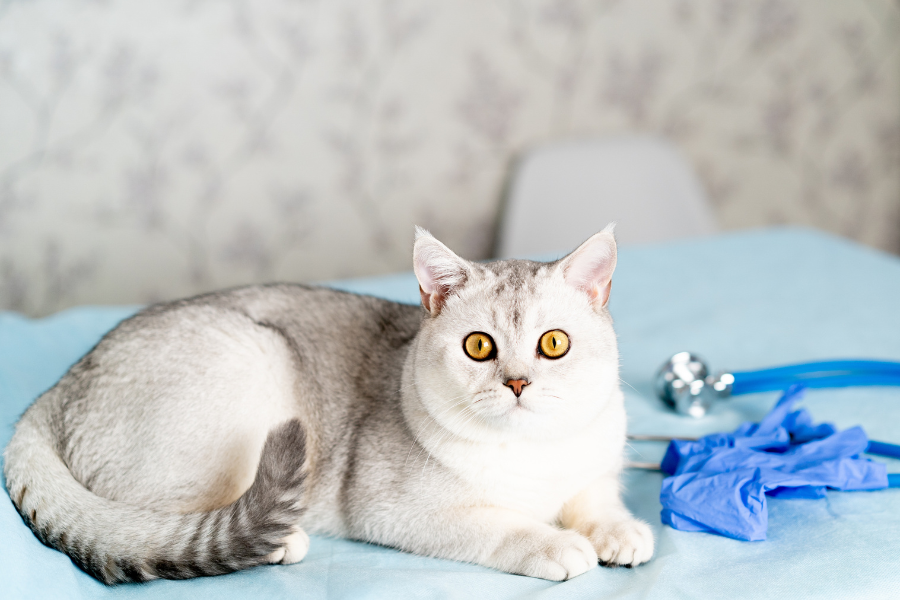



When a pet eats something concerning, many owners search for quick home remedies. Hydrogen peroxide is sometimes suggested online as a way to make a dog vomit, but using it without veterinary guidance can create additional risks. Cats are even more sensitive to this approach, and hydrogen peroxide should not be used to make a cat vomit. Understanding the dangers of hydrogen peroxide on dogs and cats can help you avoid an unnecessary injury while responding appropriately to a possible poisoning or swallowed object. At Bucksport Veterinary Hospital, Orland, ME 04472, veterinary professionals can help determine the safest response when your pet eats something potentially harmful. This guide explains why hydrogen peroxide is risky, what signs to watch for, and what to do instead.
Is Hydrogen Peroxide Safe for Dogs and Cats?
Hydrogen peroxide should not be given to dogs or cats at home unless a veterinarian specifically instructs you to use it. It can irritate or injure the mouth, throat, stomach, and intestinal tract, and using it in the wrong situation may create more serious complications. The risks are particularly important when owners are trying to induce vomiting after a pet eats something dangerous.
Hydrogen peroxide can cause:
- Stomach irritation
- Vomiting and excessive retching
- Abdominal discomfort
- Ulcers or gastrointestinal injury
- Aspiration complications
- Worsening irritation from certain swallowed substances
- Additional injury when used incorrectly
For cats, hydrogen peroxide is not considered an appropriate home method for inducing vomiting.
Why Do People Use Hydrogen Peroxide on Pets?
The idea comes from the fact that hydrogen peroxide can irritate the stomach and trigger vomiting. This has led to online advice suggesting that pet owners use it after a dog or cat eats something potentially toxic.
However, making a pet vomit is not always appropriate.
Whether vomiting should be induced depends on:
- What your pet swallowed
- How much was consumed
- How long ago did ingestion occur
- Your pet’s size and health
- Whether symptoms are already present
- Whether the substance could cause additional injury during vomiting
A veterinarian can determine whether vomiting is appropriate or whether another approach is safer.
Why Is Hydrogen Peroxide Risky for Dogs?
Dogs can develop gastrointestinal irritation after exposure to hydrogen peroxide.
Even when vomiting occurs, the process may cause additional problems.
Potential complications include:
| Risk | What Can Happen |
| Stomach irritation | Inflammation and discomfort |
| Gastrointestinal injury | Damage to the stomach or intestinal lining |
| Excessive vomiting | Dehydration and further irritation |
| Aspiration | Vomit can enter the lungs |
| Abdominal discomfort | Pain, bloating, or distress |
| Incorrect dosing | Greater risk of complications |
A dog’s size does not automatically make a particular amount safe.
That is why owners should not rely on an online dosage chart or guess based on body weight.
Why Should Hydrogen Peroxide Not Be Used to Make Cats Vomit?
Cats are different from dogs, and home attempts to induce vomiting can be especially dangerous.
Hydrogen peroxide should not be used to induce vomiting in cats. Cats may be particularly vulnerable to complications from inappropriate vomiting attempts, and there are safer veterinary methods when decontamination is appropriate.
If your cat eats something concerning:
- Remove access to the substance.
- Identify what was swallowed.
- Save the product packaging.
- Estimate when the exposure occurred.
- Contact a veterinarian promptly.
- Follow professional instructions.
Do not attempt to make your cat vomit with hydrogen peroxide.
What Happens When Hydrogen Peroxide Irritates the Stomach?
Hydrogen peroxide releases oxygen when it contacts tissues and other materials. This can create irritation and lead to vomiting.
However, irritation is not the same as safe or controlled treatment.
Your pet may develop:
- Excessive drooling
- Repeated vomiting
- Abdominal discomfort
- Loss of appetite
- Weakness
- Blood in vomit
- Changes in breathing if aspiration occurs
If these signs appear after hydrogen peroxide exposure, contact a veterinarian promptly.
Can Hydrogen Peroxide Cause Stomach Ulcers?
Concentrated or improperly used hydrogen peroxide can damage the gastrointestinal lining.
The severity depends on factors such as concentration and exposure.
Signs of significant gastrointestinal irritation may include:
- Persistent vomiting
- Abdominal pain
- Blood in vomit
- Dark or abnormal stool
- Loss of appetite
- Weakness
- Dehydration
A pet that develops these signs needs veterinary assessment rather than additional home treatment.
Can Hydrogen Peroxide Enter a Pet’s Lungs?
Yes, aspiration occurs when material enters the airways or lungs instead of passing normally through the digestive system. Vomiting increases this risk, particularly if a pet is weak, unconscious, sedated, has neurologic problems, or is unable to protect its airway normally.
Signs that may suggest aspiration include:
- Coughing
- Difficulty breathing
- Rapid breathing
- Increased breathing effort
- Weakness
- Bluish or abnormal-looking gums
Breathing difficulty should be treated as an urgent veterinary concern.
When Should You Never Try to Make Your Pet Vomit?
There are situations where vomiting can cause more harm than good.
Do not attempt home-induced vomiting if your pet:
- Is unconscious or severely weak
- Is having seizures
- Has trouble breathing
- Has difficulty swallowing
- Has already vomited repeatedly
- Swallowed a sharp object
- Swallowed a caustic or irritating substance
- Swallowed a substance that can cause additional injury when brought back up
In these situations, contact a veterinarian immediately.
What Should You Do If Your Pet Eats Something Toxic?
If you see your pet swallow something potentially dangerous, stay calm and gather as much information as possible.
Take these steps:
- Remove the remaining substance.
- Keep your pet away from the area.
- Identify the product or substance.
- Save the packaging.
- Estimate how much may have been consumed.
- Note approximately when it happened.
- Contact your veterinarian.
- Follow the instructions provided.
Do not wait for severe symptoms if you already know your pet has been exposed to something potentially dangerous.
What Information Should You Give Your Veterinarian?
The more information you can provide, the easier it may be for the veterinary team to assess the situation.
| Information | Why It Helps |
| Substance swallowed | Identifies potential hazard |
| Product name | Helps determine ingredients |
| Amount consumed | Helps assess exposure |
| Time of ingestion | Helps guide treatment decisions |
| Pet’s weight | Important for risk assessment |
| Current symptoms | Shows whether complications have started |
| Packaging | Provides concentration and ingredient details |
If you are unsure how much your pet consumed, say so. Do not guess a precise amount simply to provide an answer.
What Are the Signs of a Problem After Hydrogen Peroxide Exposure?
If your pet has accidentally ingested hydrogen peroxide or received it improperly, monitor for signs of gastrointestinal or respiratory problems.
Contact a veterinarian if you notice:
- Repeated vomiting
- Excessive drooling
- Abdominal pain
- Blood in vomit
- Loss of appetite
- Weakness
- Persistent coughing
- Difficulty breathing
- Severe lethargy
- Collapse
The seriousness of the reaction depends on the concentration, amount, and the individual pet.
Hypothetical Example: A Dog Eats Something Dangerous
Imagine a dog named Cooper who steals several pieces of food from a kitchen counter. His owner suspects one ingredient may be harmful and finds online advice recommending hydrogen peroxide. Instead of giving it at home, the owner contacts a veterinarian and explains what Cooper ate, how much may be missing, and when it happened. The veterinary team determines the safest next step based on the specific exposure rather than relying on a generic home remedy. This hypothetical example demonstrates why the correct response depends on what was swallowed, not simply on whether vomiting can be triggered.
What Are Safer Alternatives to Home Treatment?
The safest alternative is not another household remedy. It is professional guidance based on the specific exposure.
A veterinarian may recommend:
- Observation at home
- Immediate examination
- Controlled decontamination
- Medication when appropriate
- Fluid support
- Diagnostic testing
- Monitoring for delayed symptoms
- Treatment for complications
Not every ingestion requires the same treatment. That is why individualized veterinary advice is important.
Can You Use Hydrogen Peroxide to Clean a Pet’s Wound?
Hydrogen peroxide is also commonly used as a household wound-cleaning product. However, it can damage healthy cells and irritate tissue, which may interfere with normal wound healing.
If your pet has a wound:
- Prevent licking or chewing.
- Keep the area protected from additional contamination.
- Contact your veterinarian for wound-care instructions.
- Use only products recommended for your pet’s specific injury.
Avoid repeatedly applying household disinfectants to an open wound unless your veterinarian specifically recommends one.
What About Hydrogen Peroxide on a Pet’s Skin or Fur?
Hydrogen peroxide can irritate the skin and may be harmful if a pet licks it from their fur.
If your pet gets hydrogen peroxide on their skin or coat:
- Prevent licking if possible.
- Rinse the affected area thoroughly with clean water.
- Contact your veterinarian if irritation develops or if a large area was exposed.
- Seek prompt care if your pet develops breathing problems or other concerning signs.
The appropriate response can depend on the concentration and exposure.
How Can You Prevent Accidental Hydrogen Peroxide Exposure?
Keeping household products securely stored can prevent many accidental exposures.
Store hydrogen peroxide:
- In a closed cabinet
- Away from pet food
- Away from medication
- Away from curious pets
- In its original labeled container
- Out of reach of children and animals
Do not leave bottles on countertops where a curious dog or cat can knock them over or chew the container.
When Does a Pet Need Veterinary Care?
A potentially harmful ingestion can become more serious when symptoms develop.
Seek veterinary care if your pet has:
- Difficulty breathing
- Collapse
- Seizures
- Severe weakness
- Repeated vomiting
- Blood in vomit
- Severe abdominal pain
- Unresponsiveness
- Significant breathing changes
- Rapidly worsening symptoms
If you suspect poisoning or ingestion of a dangerous substance, contact a veterinary professional promptly, even if your pet currently appears normal.
Conclusion
Hydrogen peroxide may appear to be a simple household solution, but using it on dogs and cats without veterinary guidance can cause gastrointestinal irritation and other complications. It should not be used to induce vomiting in cats, and dog owners should never assume that an online dosage recommendation is appropriate for their individual pet. The safest response after a potentially dangerous ingestion is to identify what was swallowed, gather information about the exposure, and contact a veterinarian in Orland. Avoid additional home remedies unless specifically instructed. If you are concerned about hydrogen peroxide on dogs and cats, book an appointment at Bucksport Veterinary Hospital, Orland, ME, which can help you determine the appropriate next step for your pet.
FAQs
Q: Is hydrogen peroxide safe for dogs?
A: Hydrogen peroxide can cause gastrointestinal irritation and other complications in dogs, so it should not be given at home unless a veterinarian specifically instructs you to use it. Whether vomiting should be induced depends on what the dog swallowed and their individual condition.
Q: Can I use hydrogen peroxide to make my cat vomit?
A: No. Hydrogen peroxide should not be used to induce vomiting in cats. If your cat eats something potentially dangerous, contact a veterinarian promptly for appropriate guidance.
Q: What should I do if I already gave my pet hydrogen peroxide?
A: Contact your veterinarian and provide the product concentration, approximate amount, your pet’s weight, and when it was given. Seek prompt care if your pet develops repeated vomiting, blood in vomit, weakness, coughing, or breathing difficulty.
Q: Can hydrogen peroxide damage a pet’s stomach?
A: Yes. Hydrogen peroxide can irritate the gastrointestinal lining and may cause vomiting, abdominal discomfort, and other complications. Improper exposure can be more serious depending on the concentration and amount.
Q: When should I seek urgent veterinary care after hydrogen peroxide exposure?
A: Seek urgent care if your pet develops difficulty breathing, repeated vomiting, blood in vomit, severe weakness, collapse, seizures, or significant abdominal pain. If you know your pet swallowed a potentially dangerous substance, contact a veterinarian promptly rather than waiting for symptoms.