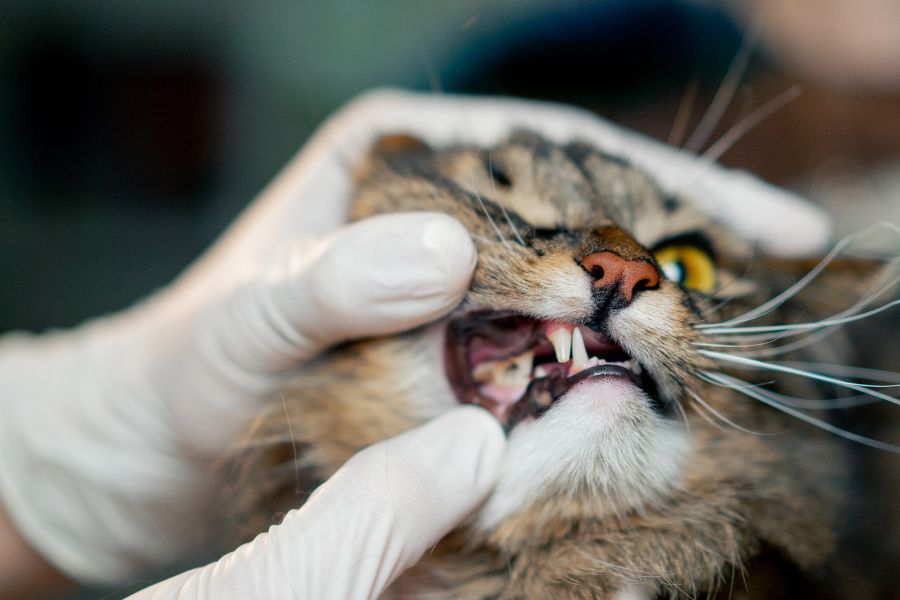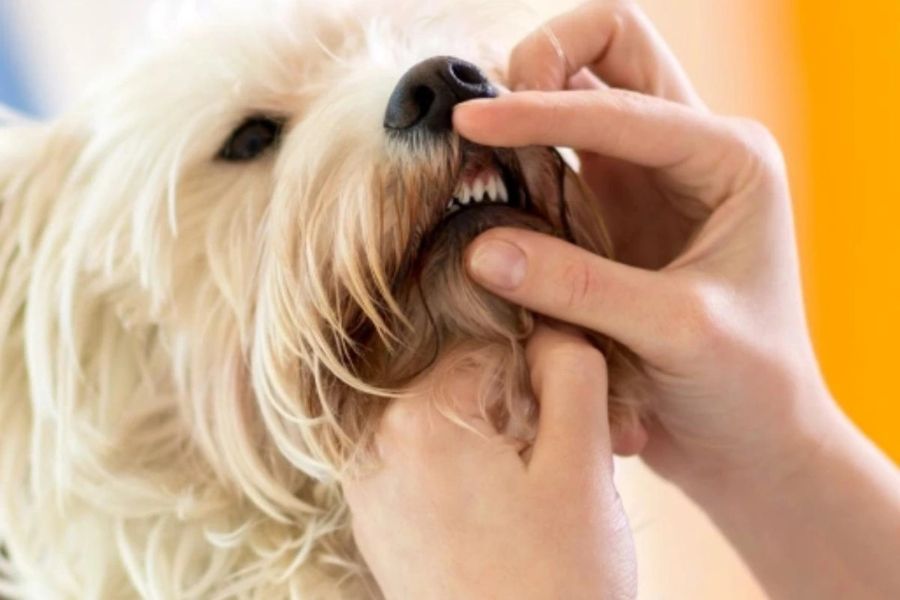



Good oral health is an essential part of your pet’s overall well-being, but many owners are unsure which home care methods truly make a difference. According to veterinarians, consistent at-home pet dental care can help reduce plaque buildup, freshen breath, and support healthier teeth and gums throughout your pet’s life. In this guide, we’ll explain what actually works, which products are worth using, and how simple daily habits can help protect your dog or cat from common dental problems.
Why At-Home Pet Dental Care Matters
Dental disease is one of the most common health concerns seen in dogs and cats. Plaque and tartar can build up over time, leading to bad breath, gum inflammation, pain, and even tooth loss.
Healthy teeth do more than create a bright smile. Good oral hygiene supports:
- Comfortable eating
- Healthier gums
- Fresher breath
- Better overall health
- Improved quality of life
The earlier you begin a dental care routine, the easier it is to maintain your pet’s oral health.
Daily Brushing Remains the Gold Standard
Veterinarians consistently recommend tooth brushing as the most effective form of at-home pet dental care.
Why brushing works
Brushing physically removes plaque before it hardens into tartar. Once tartar forms, professional cleaning is usually necessary to remove it.
Tips for successful brushing
- Use toothpaste made specifically for pets
- Choose a soft-bristled toothbrush or finger brush
- Start slowly and keep sessions short
- Reward your pet with praise and treats
- Aim for daily brushing whenever possible
Even brushing several times a week can provide meaningful benefits.
Pet Toothpaste Matters
Human toothpaste should never be used on pets because it contains ingredients that may be harmful if swallowed.
Pet toothpaste is available in flavors that dogs and cats often enjoy, including:
- Poultry
- Beef
- Seafood
- Malt flavors
These products are formulated to be safe and easier for pets to tolerate.
Dental Chews Can Help Reduce Plaque
Dental chews are among the most popular options for supporting oral health at home.
Benefits of dental chews
- Help scrape away plaque buildup
- Encourage chewing behavior
- Freshen breath
- Provide enrichment
Not all treats provide dental benefits, however. Look for products specifically designed to support oral hygiene.
Dental chews work best when used alongside brushing rather than replacing it.
Dental Diets Support Oral Health
Certain prescription and specially formulated diets are designed to improve oral hygiene.
These diets may:
- Reduce plaque accumulation
- Slow tartar formation
- Promote healthier gums
- Provide complete nutrition
Ask your veterinarian whether a dental diet is appropriate for your pet’s age, size, and health condition.
Water Additives: Helpful but Not a Replacement
Water additives are easy to use and can contribute to fresher breath and better oral hygiene.
Potential benefits
- Easy daily application
- May reduce bacteria in the mouth
- Help control odor
- Complement other dental care methods
However, water additives alone cannot remove plaque. They are most effective when combined with brushing and regular checkups.
Dental Wipes and Finger Brushes
Some pets refuse traditional toothbrushes. Dental wipes and finger brushes offer alternatives that are often easier to introduce.
Advantages
- Convenient and simple to use
- Helpful for sensitive pets
- Can remove soft plaque
- Useful for gradual training
While not as effective as regular brushing, they are better than providing no dental care at all.
Toys Designed for Dental Health
Certain chew toys may contribute to cleaner teeth by gently scraping the tooth surface during chewing.
Look for toys that are:
- Durable but not excessively hard
- Appropriate for your pet’s size
- Designed specifically for dental support
Avoid very hard objects that may increase the risk of fractured teeth.
Signs Your Pet May Have Dental Problems
Even with good home care, pets can still develop dental disease. Contact your veterinarian if you notice:
- Persistent bad breath
- Red or swollen gums
- Difficulty eating
- Excessive drooling
- Loose or broken teeth
- Pawing at the mouth
- Bleeding from the gums
- Reduced appetite
Early treatment can prevent more serious problems and improve your pet’s comfort.
Common Mistakes Pet Owners Make
Many owners unknowingly make dental care less effective.
Mistake 1: Waiting Until Problems Appear
Dental disease often develops gradually. Preventive care is easier than treating advanced issues.
Mistake 2: Relying Only on Treats
Dental chews can help, but they cannot replace brushing and regular veterinary evaluations.
Mistake 3: Using Human Products
Human toothpaste and certain mouthwashes are not safe for pets.
Mistake 4: Ignoring Bad Breath
Bad breath is often one of the first signs of dental disease and should not be considered normal.
Creating a Simple Home Dental Routine
Consistency is more important than perfection.
Daily
- Brush your pet’s teeth if possible
- Provide fresh water
- Observe for changes in appetite or breath
Weekly
- Use dental wipes if needed
- Check gums and teeth for abnormalities
- Offer approved dental chews
Regularly
- Schedule veterinary dental examinations
- Discuss diet and home care options with your veterinarian
- Address concerns early
Small efforts performed consistently can make a significant difference over time.
Professional Dental Care Is Still Important
At-home pet dental care works best when combined with professional veterinary evaluations and cleanings when recommended.
Professional care allows veterinarians to:
- Assess oral health thoroughly
- Detect hidden problems
- Remove tartar below the gumline
- Address painful dental conditions before they worsen
Think of home care and professional care as partners in maintaining your pet’s oral health.
Conclusion
Effective at-home pet dental care doesn’t have to be complicated. Daily brushing remains the most powerful tool, while dental chews, water additives, dental diets, and oral wipes can provide additional support. Building a consistent routine and paying attention to early warning signs can help your pet enjoy healthier teeth and a more comfortable life. For personalized dental recommendations and professional evaluations, schedule an appointment with your veterinarian at Bucksport Veterinary Hospital in Orland, ME.
FAQs
Q1: What is the most effective at-home pet dental care method?
Ans: Daily tooth brushing is considered the most effective way to remove plaque and maintain healthy teeth and gums.
Q2: Are dental chews enough to keep my pet’s teeth clean?
Ans: Dental chews can help reduce plaque buildup, but they work best when combined with brushing and regular veterinary care.
Q3: Can I use human toothpaste on my dog or cat?
Ans: No. Human toothpaste contains ingredients that may be harmful to pets. Always use toothpaste formulated specifically for animals.
Q4: How often should I brush my pet’s teeth?
Ans: Daily brushing provides the greatest benefit, but brushing several times per week is still better than not brushing at all.
Q5: When should I schedule a dental exam for my pet?
Ans: If you notice bad breath, swollen gums, difficulty eating, or changes in chewing behavior, schedule a veterinary appointment promptly. Regular dental evaluations are also important even when no symptoms are present.