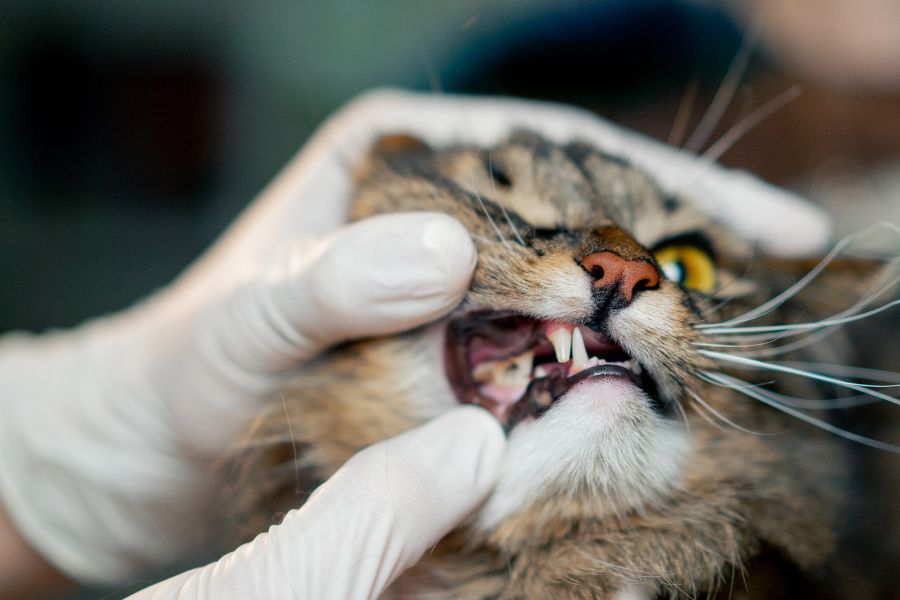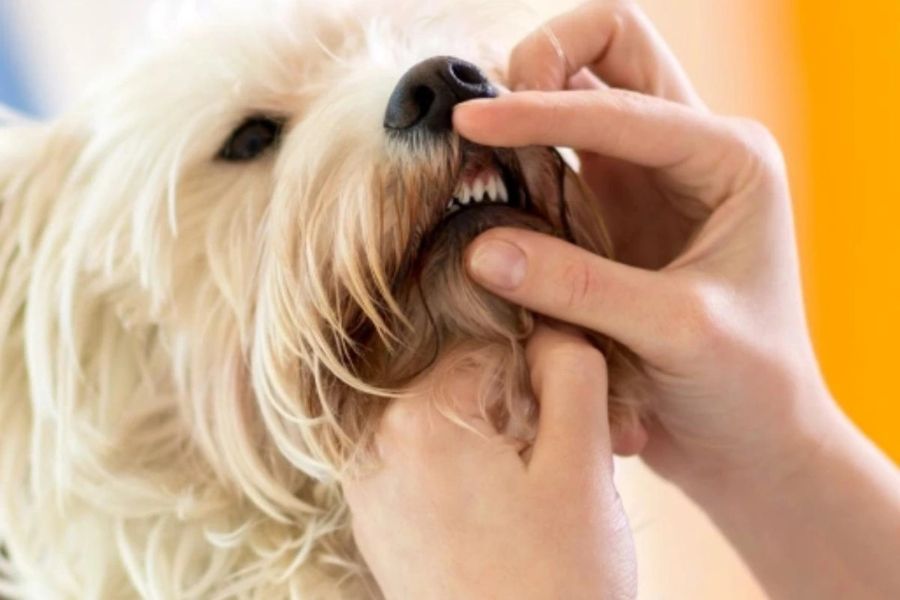



Your pet’s mouth can reveal a lot about their overall health. Bad breath, red gums, tartar, drooling, or changes in chewing may seem minor at first, but these signs can point to painful dental problems. Dogs and cats can develop many of the same oral conditions, although some problems are more common in one species than the other. Understanding oral health problems in dogs and cats can help you recognize changes early and seek veterinary care before discomfort becomes severe. At Bucksport Veterinary Hospital, Orland, ME, veterinary professionals can evaluate your pet’s mouth and recommend appropriate dental care based on their individual needs. This guide explains common oral problems, warning signs, and ways to support your pet’s dental health at home.
What Are the Most Common Oral Health Problems in Dogs and Cats?
Common oral health problems in dogs and cats include plaque, tartar, gingivitis, periodontal disease, fractured teeth, oral infections, and tooth loss. Cats can also develop tooth resorption, a painful condition that damages the tooth itself.
Some problems begin with mild plaque buildup and become more serious when left untreated.
Common conditions include:
| Oral Problem | Dogs | Cats | Common Signs |
| Plaque | Common | Common | Bad breath, film on teeth |
| Tartar | Common | Common | Yellow or brown buildup |
| Gingivitis | Common | Common | Red or swollen gums |
| Periodontal disease | Very common | Common | Gum recession, loose teeth |
| Broken teeth | Common | Possible | Pain, chewing changes |
| Tooth-root infection | Possible | Possible | Swelling, pain |
| Tooth resorption | Less common | Common | Oral pain, eating changes |
| Oral growths | Possible | Possible | Lump, swelling, sores |
| Tooth loss | Possible | Possible | Difficulty chewing |
Early evaluation can help identify problems before they become more advanced.
What Is Plaque and Tartar?
Plaque is a sticky layer of bacteria that develops naturally on the teeth. When plaque remains on the tooth surface, it can harden into tartar, also called dental calculus.
You may notice:
- Yellow teeth
- Brown buildup
- Bad breath
- Plaque around the gumline
- Red gums
- Increased chewing discomfort
Tartar is difficult to remove once it becomes firmly attached. Routine dental care can help control plaque before it develops into more significant dental disease.
What Is Gingivitis in Dogs and Cats?
Gingivitis means inflammation of the gums. It often develops when plaque and bacteria accumulate around the gumline.
Signs can include:
- Red gums
- Swollen gums
- Bleeding gums
- Bad breath
- Sensitivity around the mouth
- Reluctance to chew
| Healthy Gums | Possible Gingivitis |
| Pink | Red or inflamed |
| Relatively smooth | Swollen |
| Minimal bleeding | May bleed easily |
| Little odor | Bad breath may occur |
Gingivitis should not be ignored because ongoing inflammation can contribute to more advanced periodontal disease.
What Is Periodontal Disease?
Periodontal disease affects the tissues that hold the teeth in place. It is one of the most common dental problems seen in dogs and cats.
Possible signs include:
- Persistent bad breath
- Gum redness
- Bleeding
- Gum recession
- Loose teeth
- Difficulty chewing
- Dropping food
- Reduced appetite
- Mouth pain
The condition can progress gradually, and pets may continue eating even while experiencing discomfort.
This makes routine dental examinations especially important.
Can Dogs and Cats Break Their Teeth?
Yes, teeth can become fractured from chewing hard objects, trauma, or other injuries. A damaged tooth can expose sensitive internal structures.
Watch for:
- Chewing on one side
- Dropping food
- Pawing at the mouth
- Excessive drooling
- Avoiding hard food
- Facial swelling
- Reluctance to have the mouth touched
A fractured tooth should be evaluated by a veterinarian even if your pet seems otherwise normal.
What Is Tooth Resorption in Cats?
Tooth resorption is a painful condition that occurs commonly in cats. The affected tooth gradually breaks down, which can expose sensitive areas and cause significant discomfort.
A cat with tooth resorption may:
- Eat differently
- Drop food
- Chew on one side
- Swallow food without chewing
- Drool
- Paw at the mouth
- Become irritable
- Have a reduced appetite
Cats often hide pain, so subtle changes in eating behavior can be important.
Can Pets Develop Tooth-Root Infections?
Yes. A tooth-root infection can develop when bacteria reach the deeper structures of a damaged or diseased tooth.
Possible signs include:
- Facial swelling
- Bad breath
- Mouth pain
- Difficulty eating
- Drooling
- Reduced appetite
- Swelling near the eye or jaw
A veterinary examination can help determine whether a dental infection is present and what treatment may be appropriate.
What Are the Signs of Oral Health Problems in Pets?
Some pets show obvious signs of mouth pain, while others hide them.
Watch for:
- Persistent bad breath
- Red or swollen gums
- Yellow or brown teeth
- Excessive drooling
- Chewing changes
- Dropping food
- Eating more slowly
- Pawing at the mouth
- Loose teeth
- Facial swelling
- Appetite changes
- Irritability
A change in how your pet eats can be just as important as a change in how much they eat.
Why Do Pets Sometimes Hide Dental Pain?
Animals often instinctively hide discomfort.
A dog or cat may continue eating because they are motivated to survive and maintain normal routines.
Your pet may still:
- Eat regular meals
- Play
- Seek treats
- Drink normally
- Interact with family
This does not necessarily mean their mouth is healthy. That is why regular oral examinations are useful even when your pet appears normal.
How Are Oral Health Problems Diagnosed?
A veterinarian will begin with an examination of your pet’s mouth and overall health.
Some dental problems, however, cannot be fully assessed by looking only at the visible tooth surfaces.
Veterinary dental evaluation may include:
| Evaluation | Purpose |
| Oral examination | Checks teeth, gums, and visible abnormalities |
| Gum assessment | Evaluates inflammation and periodontal health |
| Dental X-rays | Helps identify problems below the gumline |
| Tooth assessment | Identifies damaged, loose, or abnormal teeth |
| General examination | Evaluates overall health |
Your veterinarian can explain which evaluations are appropriate for your pet.
What Does Professional Dental Care Involve?
Professional dental care allows veterinary professionals to examine and clean areas that are difficult to manage at home.
Depending on your pet’s needs, dental care may include:
- Oral examination
- Cleaning above and below the gumline
- Dental X-rays
- Evaluation of individual teeth
- Treatment of diseased teeth
- Recommendations for home dental care
The appropriate treatment depends on your pet’s oral health and overall condition.
Can You Prevent Oral Health Problems at Home?
You can take steps to reduce plaque buildup and support your pet’s oral health.
Helpful habits include:
- Brush your pet’s teeth regularly when tolerated.
- Use toothpaste designed specifically for pets.
- Never use human toothpaste unless your veterinarian specifically recommends a product.
- Introduce brushing slowly.
- Check your pet’s mouth regularly.
- Use dental products recommended by your veterinarian.
- Schedule routine veterinary examinations.
Daily home care works best when it becomes part of your pet’s normal routine.
What Are Common Dental Care Mistakes?
Some well-intended habits can actually create problems.
Avoid:
- Using human toothpaste without veterinary guidance
- Forcing your pet’s mouth open
- Ignoring persistent bad breath
- Waiting for your pet to stop eating
- Giving extremely hard objects to chew
- Assuming dental disease is only cosmetic
- Skipping routine oral examinations
If your pet resists mouth handling, do not force the process. Ask your veterinarian about gradual and safer ways to introduce dental care.
Hypothetical Example: A Cat With Subtle Eating Changes
Imagine a 6-year-old cat named Oliver whose owner notices that he has started dropping pieces of food from his mouth. Oliver still eats and behaves normally, so the change initially seems minor.
During a veterinary examination, the veterinarian identifies signs of painful dental disease. Further evaluation reveals a tooth problem requiring treatment. This hypothetical example shows why small changes in eating habits can be an important clue, particularly in cats that tend to hide oral pain.
When Should Your Pet See a Veterinarian?
Not every dental issue requires urgent care, but persistent or painful signs should be evaluated.
Schedule a veterinary appointment if your pet has:
- Persistent bad breath
- Visible tartar
- Red or swollen gums
- Difficulty chewing
- Dropping food
- A loose tooth
- A fractured tooth
- Persistent drooling
- Changes in eating habits
Seek prompt veterinary attention for:
- Facial swelling
- Significant oral bleeding
- Severe mouth pain
- Inability to eat or drink
- Sudden major swelling
- Severe weakness associated with oral problems
Early attention can help prevent a manageable dental concern from becoming more painful.
Conclusion
Oral health problems in dogs and cats can range from plaque and tartar to gingivitis, periodontal disease, fractured teeth, infections, and tooth loss. Cats may also develop painful tooth resorption. Because pets often hide mouth pain, signs such as bad breath, dropping food, chewing differently, drooling, or changes in appetite should not be ignored. Home dental care can help control plaque, but it does not replace professional veterinary examinations. If your pet develops persistent oral changes or signs of pain, Bucksport Veterinary Hospital, Orland, ME, can help determine what is happening and discuss appropriate dental care.
FAQs
Q1: What are the most common oral health problems in dogs and cats?
A: Common problems include plaque, tartar, gingivitis, periodontal disease, fractured teeth, tooth-root infections, and tooth loss. Cats can also develop tooth resorption, which can be painful.
Q2: How can I tell if my dog or cat has a dental problem?
A: Bad breath, red gums, visible tartar, drooling, difficulty chewing, dropping food, loose teeth, and changes in appetite can all be warning signs. Some pets may continue eating normally despite significant dental discomfort.
Q3: Is bad breath normal for dogs and cats?
A: Persistent bad breath should not simply be considered normal. It can be associated with plaque, gum disease, infection, or other oral problems and should be discussed with a veterinarian.
Q4: How can I prevent oral health problems in my pet?
A: Regular tooth brushing with pet-safe dental products, appropriate dental-care products, routine oral examinations, and professional dental care when recommended can help support better oral health.
Q5: When should I take my pet to the veterinarian for an oral problem?
A: Schedule an appointment for persistent bad breath, red gums, tartar, chewing changes, loose teeth, or drooling. Facial swelling, significant bleeding, severe pain, or inability to eat or drink warrants prompt veterinary attention.