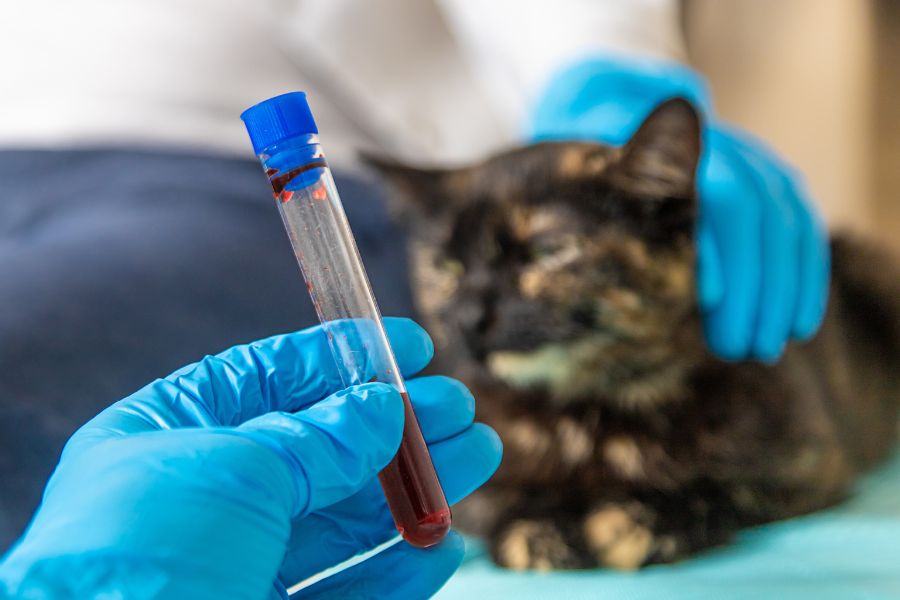



Kidneys work quietly every day, filtering waste from the blood, balancing fluids, and helping regulate important minerals. Because pets can hide illness, early kidney problems may be easy to miss until noticeable changes appear. Kidney disease in pets can develop suddenly or progress gradually, and the warning signs can look like other common health problems. This guide explains the early and advanced signs of kidney disease, how kidney function works, how veterinarians diagnose these conditions, treatment options, and which symptoms mean your pet needs care.
What Are the Early Signs of Kidney Disease in Pets
Early signs can be subtle, but increased thirst and urination are common changes as kidney function declines. Later signs may include poor appetite, weight loss, vomiting, dehydration, weakness, and other changes caused by waste buildup in the bloodstream.
The kidneys act like the body’s filtration system. They remove waste from the blood while helping control how much water and certain minerals remain in the body.
| Possible Sign | Easy Scientific Explanation |
| Drinking more water | The kidneys may become less able to concentrate urine |
| Urinating more often | More dilute urine can be produced |
| Weight loss | Chronic illness can reduce appetite and muscle mass |
| Poor appetite | Waste products can affect how your pet feels |
| Vomiting | Advanced kidney dysfunction can cause waste buildup |
| Dehydration | Fluid loss through urine may exceed intake |
| Weakness | Changes in hydration and blood chemistry can affect the body |
Not every pet develops all of these signs, and some pets have significant kidney changes before obvious symptoms appear.
Why Do Kidney Problems Cause Increased Thirst and Urination
One of the earliest changes owners may notice is that their pet drinks and urinates more than usual. This happens because damaged kidneys may lose some ability to concentrate urine effectively. As a result, more water leaves the body through urine, causing your pet to drink more to compensate.
Easy Scientific Explanation
Think of a kidney like a water-saving filter.
A healthy kidney can decide how much water should remain in the body and how much should leave in urine. When kidney function declines, the kidney may have more difficulty conserving water.
That can create a cycle:
Kidney function decreases → urine becomes less concentrated → more water is lost → thirst increases.
| Normal Kidney Function | Reduced Kidney Function |
| Conserves water efficiently | Has more difficulty conserving water |
| Produces appropriately concentrated urine | May produce more dilute urine |
| Removes waste effectively | Waste may build up in the blood |
| Helps maintain fluid balance | Greater risk of dehydration |
Increased thirst and urination do not automatically mean kidney disease. Diabetes and other conditions can cause similar changes, which is why testing is important.
What Other Signs Should Pet Owners Watch For?
As kidney problems progress, signs can become easier to recognize. Your pet may lose interest in food, lose weight, become less active, vomit, or appear dehydrated. Advanced disease can also cause diarrhea, mouth sores, and severe lethargy.
Watch for:
- Increased thirst
- Increased urination
- Reduced appetite
- Weight loss
- Vomiting
- Diarrhea
- Dehydration
- Low energy
- Bad breath
- Changes in behavior
- Reduced interest in normal activities
A gradual change can be just as important as a sudden one.
Easy Scientific Explanation
Kidneys remove waste products from the bloodstream. When filtration becomes less effective, substances that normally leave through urine can accumulate in the blood.
This is sometimes called azotemia, meaning waste products have increased in the bloodstream because kidney filtration is reduced.
| Kidney Function | Effect on Your Pet |
| Waste removal decreases | Waste products build up |
| Fluid regulation changes | Thirst and urination may increase |
| Electrolyte balance changes | Muscles and nerves may be affected |
| Appetite decreases | Weight loss may follow |
| Severe dysfunction develops | Vomiting, dehydration, and weakness may occur |
This is one reason kidney disease should be evaluated rather than diagnosed based on symptoms alone.
What Causes Kidney Disease in Dogs and Cats
Kidney disease has many possible causes. Some pets develop chronic kidney changes over time, while others experience acute kidney injury caused by a sudden illness, toxin exposure, dehydration, infection, or another medical problem.
Possible causes include:
- Age-related kidney changes
- Inherited kidney disorders
- Kidney infections
- Urinary obstruction
- Certain toxins
- Some medications
- High blood pressure
- Other diseases affecting the kidneys
- Acute kidney injury
The cause matters because treatment and outlook can vary considerably.
| Type of Problem | What It Means |
| Chronic kidney disease | Kidney damage or reduced function develops and persists over time |
| Acute kidney injury | Kidney function decreases suddenly |
| Urinary obstruction | Urine cannot flow normally, potentially damaging the urinary system |
| Kidney infection | Inflammation and infection affect kidney tissue |
| Toxin-related injury | A harmful substance damages kidney cells |
A veterinarian may need your pet’s history, medication information, and details about possible toxin exposure to determine what happened.
How Do Veterinarians Diagnose Kidney Disease
A veterinarian does not diagnose kidney disease from one symptom alone. Diagnosis generally combines a physical examination with blood and urine testing, and additional tests may be recommended based on the findings. Blood pressure measurement and imaging can also provide important information.
Testing may include:
- Blood chemistry testing
- Complete blood count
- Urinalysis
- Urine concentration testing
- Blood pressure measurement
- X-rays
- Ultrasound
Easy Scientific Explanation
Think of diagnosis like solving a puzzle.
A blood test can show whether waste products are accumulating. A urine test can show how well the kidneys concentrate urine and whether protein or other abnormalities are present. Imaging can reveal structural changes, stones, or other problems.
| Test | What It Can Tell the Veterinarian |
| Blood testing | Shows changes in waste products and other blood values |
| Urinalysis | Evaluates urine concentration and other abnormalities |
| Blood pressure | Checks for hypertension associated with kidney disease |
| X-rays | Helps evaluate kidney size and certain structural problems |
| Ultrasound | Provides detailed images of kidneys and surrounding structures |
Veterinarians may repeat these tests over time to monitor how the disease responds to treatment. Thorough diagnostic care can help detect the issues in your pet.
Hypothetical Example
Imagine a nine-year-old cat named Willow whose family notices that her water bowl needs filling more often and that she is urinating more frequently. Willow still seems fairly normal, so her family schedules a veterinary examination instead of waiting for more serious symptoms. Blood and urine testing reveal changes consistent with early kidney disease, allowing the veterinarian to begin management before Willow develops severe appetite loss or dehydration. Her family also learns which changes in drinking, urination, weight, and appetite should prompt another visit.
This example shows why small changes in daily habits can be worth discussing with a veterinarian.
How Is Kidney Disease Treated
Treatment depends on whether the kidney problem is acute or chronic, its severity, the underlying cause, and any complications affecting your pet.
Management may involve:
- Therapeutic nutrition
- Maintaining adequate hydration
- Medications for specific complications
- Blood pressure management
- Treatment of urinary infections when present
- Monitoring blood and urine values
- Treatment of the underlying cause
For some pets with advanced disease or severe dehydration, intravenous or subcutaneous fluids may be needed.
| Treatment Goal | Why It Helps |
| Maintain hydration | Supports normal circulation and body functions |
| Manage blood pressure | Helps reduce complications associated with hypertension |
| Address protein loss | May help protect kidney function in appropriate cases |
| Provide appropriate nutrition | Supports nutritional needs while managing kidney-related concerns |
| Treat underlying disease | May reduce continued kidney damage |
| Monitor regularly | Helps identify changes early |
Kidney disease is not managed exactly the same way in every pet. A treatment plan should be based on veterinary testing and your pet’s individual needs.
What Can Pet Owners Do at Home
Once kidney disease has been diagnosed, your daily observations become valuable. You know your pet’s normal routine, so changes in drinking, urination, appetite, weight, and energy can provide useful information.
At home, you can:
- Keep fresh water available.
- Monitor appetite.
- Watch drinking and urination habits.
- Track body weight when practical.
- Give prescribed medications exactly as directed.
- Follow the recommended diet.
- Keep scheduled follow-up appointments.
- Report significant changes promptly.
| Track | Why It Matters |
| Water intake | Changes may indicate progression or another problem |
| Urination | Can reveal changes in kidney or urinary function |
| Appetite | Loss may signal worsening illness |
| Weight | Gradual loss can be an important warning sign |
| Energy | Declining activity may indicate discomfort or illness |
| Vomiting | Can contribute to dehydration and worsening weakness |
Do not make major diet or medication changes without veterinary guidance.
When Does Kidney Disease Require Veterinary Care
Chronic kidney disease may progress gradually, but certain symptoms can indicate that your pet has become seriously ill or developed an acute complication.
Seek urgent veterinary care if your pet:
- Repeatedly vomits
- Cannot keep water down
- Becomes severely weak or difficult to wake
- Stops eating and drinking
- Becomes significantly dehydrated
- Produces little or no urine
- Has difficulty breathing
- Collapses
- Develops seizures
- May have been exposed to a kidney-toxic substance
Sudden changes are particularly concerning. Acute kidney injury can become severe quickly and requires prompt diagnosis and treatment.
If your pet suddenly stops producing urine, do not assume this is simply another sign of chronic kidney disease. Urinary obstruction can be a separate emergency.
Conclusion
Kidney disease can develop gradually, making small changes such as increased thirst, increased urination, weight loss, or reduced appetite easy to overlook. Early evaluation can help identify kidney problems before more serious complications develop. Blood and urine testing, along with physical examinations and other diagnostics, can give your veterinarian in Bucksport a clearer picture of kidney function and overall health. If your pet develops repeated vomiting, severe weakness, dehydration, little or no urine, or sudden serious changes, seek urgent veterinary care. Bucksport Veterinary Hospital can help evaluate concerning symptoms and develop an appropriate care plan for your companion.
FAQs
Q1: What are the first signs of kidney disease in pets?
A: Increased thirst and urination are common early signs, although they can also occur with other conditions. Weight loss, appetite changes, and lower energy may appear as kidney disease progresses.
Q2: Can a pet have kidney disease without showing symptoms?
A: Yes. Early kidney disease may produce few or no obvious outward signs. Blood and urine testing can sometimes identify abnormalities before a pet becomes noticeably ill.
Q3: Can kidney disease in pets be treated?
A: Treatment depends on the cause and stage of disease. Management may include appropriate nutrition, hydration support, medications, treatment of complications, and regular monitoring.
Q4: How is kidney disease diagnosed in dogs and cats?
A: Veterinarians typically combine a physical examination with blood and urine testing. Blood pressure measurement and imaging such as X-rays or ultrasound may also be recommended.
Q5: When should I seek urgent veterinary care for suspected kidney disease?
A: Seek urgent care if your pet develops repeated vomiting, severe weakness, dehydration, inability to keep water down, little or no urine, collapse, seizures, or sudden severe changes. These signs can indicate advanced kidney problems or an acute medical emergency.