


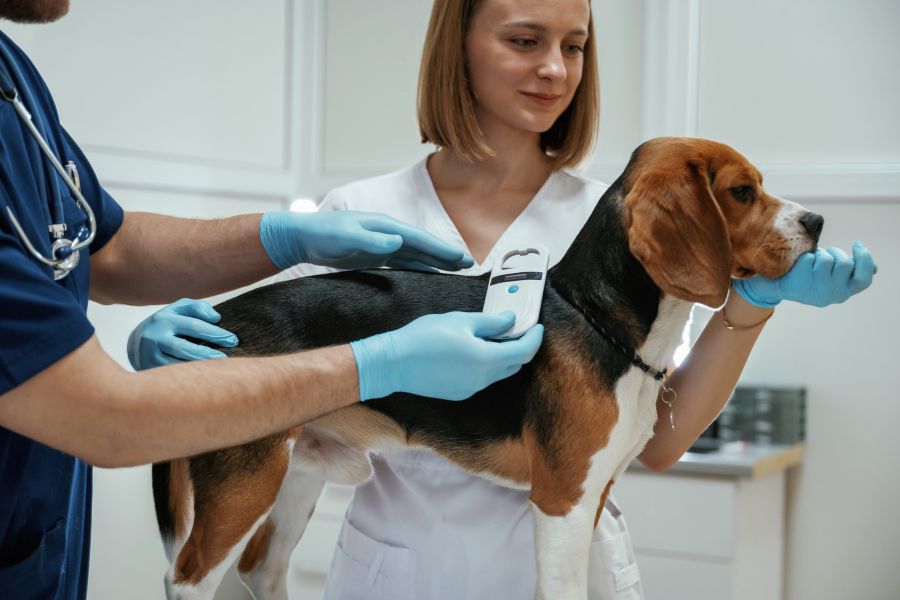
Microchipping is one of the safest and most reliable ways to help reunite lost pets with their families. A tiny chip placed under your pet’s skin stores important identification details that can be scanned by shelters and veterinary clinics. In this guide, you’ll learn what microchipping is, how it works, why it matters, and why every responsible pet owner should consider it for lifelong protection.
What Is Microchipping?
Microchipping is a simple veterinary procedure that places a tiny electronic chip, about the size of a grain of rice, under your pet’s skin. The chip contains a unique identification number linked to your contact information in a secure database. Unlike a GPS tracker, a microchip does not track your pet’s location in real time. Instead, it helps animal shelters, veterinarians, and rescue groups identify your pet if they become lost. The microchip is usually implanted between the shoulder blades using a quick injection. The process is fast, safe, and causes minimal discomfort for most pets.
How Does a Pet Microchip Work?
A pet microchip uses radio-frequency identification (RFID) technology. When a scanner passes over the chip, it reads the unique ID number stored inside.
Here’s how the process works:
- Your veterinarian implants the chip under your pet’s skin.
- The chip number is registered with your contact information.
- If your pet gets lost and is found, a shelter or clinic scans the chip.
- The registered database provides your contact details.
- You are contacted and reunited with your pet.
Most animal shelters and veterinary hospitals in the United States have universal microchip scanners.
Why Every Pet Should Have a Microchip?
Permanent Identification
Collars and ID tags can break, fall off, or become unreadable over time. A microchip provides permanent identification that stays with your pet for life.
This is especially important for:
- Outdoor cats
- Dogs that escape yards
- Pets that travel often
- Newly adopted pets
- Senior pets with cognitive decline
Increases the Chances of Reuniting Lost Pets
According to the American Veterinary Medical Association, microchipped dogs are much more likely to be returned to their owners compared to non-microchipped pets.
Cats especially benefit from microchipping because many indoor cats can slip outside unexpectedly without identification.
A microchip gives shelters and veterinarians a direct way to contact you quickly.
Is Microchipping Safe for Pets?
Yes, microchipping is considered extremely safe. Complications are very rare, and the procedure has been widely used for decades.
The chip itself:
- Is biocompatible
- Does not require batteries
- Usually lasts for your pet’s lifetime
- Cannot move far from the implantation site
Most pets react similarly to receiving a routine vaccine shot.
When Should You Microchip Your Pet?
Pets can be microchipped at almost any age, although many veterinarians recommend doing it during:
- Puppy or kitten visits
- Spay or neuter procedures
- Adoption appointments
- Wellness exams
Even indoor-only pets should be microchipped. Unexpected events like open doors, storms, or accidents can cause pets to escape.
Does a Microchip Replace a Collar and Tag?
No. A microchip should work alongside visible identification, not replace it.
A collar tag allows someone to contact you immediately without visiting a shelter or veterinary clinic. The microchip serves as a permanent backup if the collar is lost or removed.
The best protection includes:
- A collar with updated ID tags
- A registered microchip
- Current contact information
The Importance of Registering the Microchip
A microchip only works if the registration information is accurate.
After your pet is microchipped:
- Register the chip immediately
- Add multiple emergency contacts if possible
- Update your phone number and address whenever they change
Many pets are found with microchips that contain outdated owner information, making reunification difficult.
Common Myths About Pet Microchipping
“Microchips Track My Pet’s Location”
Microchips are not GPS devices. They cannot monitor movement or provide live tracking.
“Indoor Pets Don’t Need Microchips”
Indoor pets can still escape through doors, windows, or during emergencies. Many lost indoor cats are never identified because they lack a permanent ID.
“Microchipping Is Painful”
The procedure is quick and causes only mild discomfort, similar to a standard vaccination.
“Microchips Stop Working Over Time”
Most modern microchips are designed to last throughout your pet’s life without maintenance.
What Happens If a Lost Pet Is Found?
When a stray pet arrives at a shelter or veterinary clinic, staff members typically scan for a microchip immediately.
If a chip is detected:
- The ID number appears on the scanner.
- Staff search the registration database.
- The owner is contacted.
- Arrangements are made for the reunion.
This process can save valuable time and reduce stress for both pets and owners.
Can All Pets Be Microchipped?
Dogs and cats are the most commonly microchipped pets, but other animals can also receive microchips, including:
- Rabbits
- Ferrets
- Birds
- Horses
- Reptiles
Talk with your veterinarian about whether microchipping is appropriate for your specific pet.
How Much Does Pet Microchipping Cost?
The cost of microchipping is generally affordable compared to the benefits it provides. Pricing varies depending on the veterinary clinic and whether registration fees are included.
Many clinics offer microchipping during routine wellness visits or surgical procedures to make the process more convenient.
Why Microchipping Matters During Emergencies?
Natural disasters, accidents, and severe weather events can separate families from their pets quickly. During emergencies, pets may lose collars or become displaced far from home. A microchip greatly improves the chance of identification, even if your pet ends up in another town or state. This added layer of security can provide peace of mind during unpredictable situations.
Conclusion
Microchipping is a simple, safe, and effective way to protect your pet for life. While collars and tags are important, they can easily become lost or damaged. A microchip provides permanent identification that helps shelters and veterinarians reunite lost pets with their families faster. If your pet is not microchipped yet, scheduling the procedure can be one of the most valuable decisions you make as a pet owner. Contact your Bucksport veterinarian at Bucksport Veterinary Hospital to learn more about microchipping and keeping your pet safe.
FAQs
Q1: How long does a pet microchip last?
Ans: A pet microchip is designed to last for your pet’s entire lifetime without needing replacement or battery changes.
Q2: Can a smartphone scan a pet microchip?
Ans: No, pet microchips require specialized scanners typically used by veterinary clinics and animal shelters.
Q3: Is microchipping required by law?
Ans: Microchipping laws vary by state and local regulations. Some adoption agencies and municipalities may require it.
Q4: Can a microchip help if my pet is stolen?
Ans: Yes, if a stolen pet is brought to a shelter or veterinarian, the microchip can help prove ownership and contact you.
Q5: What should I do after my pet is microchipped?
Ans: Register the microchip immediately and keep your contact information updated in the database at all times.