

Bringing your pet home after surgery can be a relief, but it also marks the start of an important recovery period. Your dog or cat may feel sleepy, move more slowly, or need extra help with everyday activities while healing. A quiet resting place, a suitable feeding area, and a plan for medication can make those first days easier for everyone. Preparing before the appointment also helps you avoid rushing to move furniture or find supplies after your pet returns home. Bucksport Veterinary Hospital in Orland, ME, understands that pet owners want to support a safe recovery. With a little planning and clear instructions from your veterinary team, you can make your home more comfortable and help your companion heal.
How Should You Prepare Your Home for a Pet’s Recovery After Surgery?
To prepare your home for a pet’s recovery after surgery, set up a quiet, clean, and comfortable space where your pet can rest without jumping, climbing stairs, or being disturbed. Keep food, water, bedding, and any approved supplies within easy reach. Before your pet comes home, review the veterinarian’s instructions for medication, feeding, activity limits, and incision care.
The recovery area should match your pet’s size, mobility, and temperament. A small dog may do well in a gated room, while a cat may need a secure, low-sided resting area that prevents climbing. Pets that are restless or likely to jump may need closer supervision and a more restricted space.
Choose a location that is easy for you to monitor. Avoid busy hallways, noisy play areas, and rooms where other pets may disturb the patient. Keep the temperature comfortable and provide clean bedding that can be changed if it becomes dirty.
Prepare these essentials before surgery day:
- A clean bed or padded resting surface
- Fresh water and the food recommended by your veterinarian
- A leash for short, controlled bathroom trips if needed
- A suitable barrier, pen, or crate if your veterinarian recommends one
- Prescribed medications and written dosing instructions
- A way to prevent licking or chewing at the incision, if advised
- Your veterinarian’s contact information
- A copy of the discharge instructions
Ask your veterinary team whether your pet should use a crate, pen, or small room. Confinement can help limit activity, but the space must be safe and comfortable. A pet that panics in a crate may need another arrangement approved by the veterinarian.
The goal is not simply to keep your pet still. It is to create an environment where rest is easy, movement is controlled, and changes in health are noticed quickly.
How Can You Create a Comfortable Recovery Area for Your Dog or Cat?
A good recovery area helps your pet rest while reducing the chance of falls, jumping, or accidental injury. Pets may be unsteady after anesthesia, and some may feel confused or unusually clingy during the first part of recovery.
Choose a space with easy access and minimal hazards. Remove loose cords, small objects, slippery rugs, and anything your pet might chew or swallow. If your home has stairs, use a secure barrier to prevent unsupervised access.
For dogs
Dogs may need help getting outside for bathroom breaks, particularly after orthopedic procedures or surgery involving the abdomen. Use a leash and follow the activity limits provided by your veterinarian. Even if your dog seems eager to play, avoid running, jumping, rough play, and off-leash activity until cleared.
Consider these adjustments:
- Place a comfortable bed on the main floor.
- Use non-slip mats where your dog walks.
- Keep food and water close to the resting area.
- Block access to sofas, beds, stairs, and furniture your dog may jump onto.
- Arrange short, controlled bathroom trips as directed.
- Keep children and other pets from encouraging rough play.
For cats
Cats often seek high places, narrow hiding spots, and quiet corners. After pet surgery, these normal habits may increase the risk of falls or make it difficult to monitor them. Choose a room where your cat can rest without climbing onto shelves or jumping onto furniture.
You may need to:
- Provide a low, easy-to-enter litter tray if recommended.
- Keep food and water in a quiet, accessible spot.
- Block access to high furniture and windowsills.
- Use a secure room to prevent running or hiding under inaccessible furniture.
- Keep other animals away if they disturb the recovering cat.
Do not make major changes to your pet’s routine without considering their comfort. A familiar blanket or bedding can be reassuring, provided it is clean and does not interfere with the surgical site.
If your pet cannot settle, keeps trying to escape the recovery area, or seems unusually distressed, contact your veterinarian for advice. Do not use sedatives or calming products unless they have been approved for your pet.
What Supplies Should You Have Ready Before Surgery?
Having supplies prepared before the appointment can reduce stress when your pet comes home. The exact list depends on the surgery, so confirm what your veterinarian expects you to use.
| Supply | Why it may help | Important reminder |
|---|---|---|
| Clean bedding | Provides a comfortable place to rest | Keep it dry and change it if soiled |
| Food and water bowls | Make eating and drinking easier | Follow the clinic’s feeding instructions |
| Leash or carrier | Helps with safe, controlled movement | Use the method recommended for your pet’s procedure |
| Pet recovery collar or other barrier | Can prevent licking or chewing | Use the correct size and follow veterinary advice |
| Prescribed medication | Supports pain control or other treatment | Follow the label and do not change the dose yourself |
| Written instructions | Helps you remember care steps | Keep them somewhere easy to find |
| Phone and clinic contact details | Allow you to seek advice quickly | Know whom to contact outside normal hours |
| Cleaning supplies | Help keep the recovery area hygienic | Avoid using harsh products near your pet |
Do not buy every item marketed for pet recovery without checking whether it is appropriate. For example, not every pet needs the same type of collar or garment, and some coverings may rub against an incision or trap moisture.
Ask the clinic which supplies are essential and which are optional. Confirm whether you should bring a carrier, use a particular harness, or arrange help lifting your pet into a vehicle.
If your pet will need assistance walking or moving, ask for a demonstration before discharge. You can also ask whether your pet’s incision should remain uncovered and how to keep the area clean without disturbing it.
How Do You Manage Medication and Feeding After Surgery?
Medication and feeding instructions are an important part of post-surgery care. Your pet may be sent home with pain medication or other prescriptions, but the plan depends on the procedure and individual health needs. Always follow the instructions provided by your veterinary team.
Create a simple written schedule with the medication name, dose, and time it should be given. Mark each dose after you give it to avoid accidental repeat dosing. If more than one person cares for your pet, make sure everyone follows the same schedule.
Keep these medication rules in mind:
- Give only medications prescribed or approved for your pet.
- Follow the dose and timing on the label.
- Do not double a dose if you are unsure whether the previous dose was given.
- Do not crush tablets or mix medication with food unless the veterinarian says it is safe.
- Contact the clinic if your pet vomits after medication or develops a possible side effect.
- Never give human pain medication unless a veterinarian specifically directs you to do so.
Your pet may have a reduced appetite shortly after anesthesia, but feeding instructions differ by procedure. Some pets can have a small meal once fully awake, while others may need a specific schedule or diet. Follow the discharge instructions rather than offering a large meal immediately.
Keep fresh water available if permitted. If your pet cannot keep water down, repeatedly vomits, or refuses food for longer than the veterinarian says is expected, contact the clinic. Do not force food or water into a sleepy or poorly coordinated pet.
Hypothetical case example: A small dog returns home after a routine abdominal procedure and seems sleepy but comfortable. The owner has already prepared a quiet room, written down the medication schedule, and measured the food recommended by the clinic. When the dog shows little interest in the first meal, the owner follows the discharge instructions and calls the veterinary team for guidance instead of forcing food or changing the medication plan.
This example is hypothetical, but it illustrates how preparation can help owners respond calmly when recovery does not look exactly as expected.
How Should You Care for Your Pet’s Incision After Surgery?
An incision is the area where the veterinarian made a surgical cut. Keeping it clean and protected helps reduce the risk of complications. The type of care required depends on the procedure, so follow the instructions provided for your pet rather than using a general home treatment.
Check the incision as often as your veterinarian recommends. You may be asked to look for changes in redness, swelling, discharge, or the edges of the wound. If your pet has a bandage, ask how to keep it dry and when it should be checked or changed.
Do not apply creams, powders, alcohol, hydrogen peroxide, essential oils, or other products to the incision unless the veterinarian specifically instructs you to do so. These products may irritate tissue or interfere with healing.
Watch for the following signs:
| What you notice | What to do |
|---|---|
| Mild changes that match the discharge instructions | Continue monitoring as directed |
| Increasing redness, swelling, or warmth | Contact your veterinarian for advice |
| New discharge, a bad smell, or persistent bleeding | Contact the clinic promptly |
| Wound edges pulling apart | Seek prompt veterinary assessment |
| Severe pain, collapse, or marked weakness | Seek urgent veterinary care |
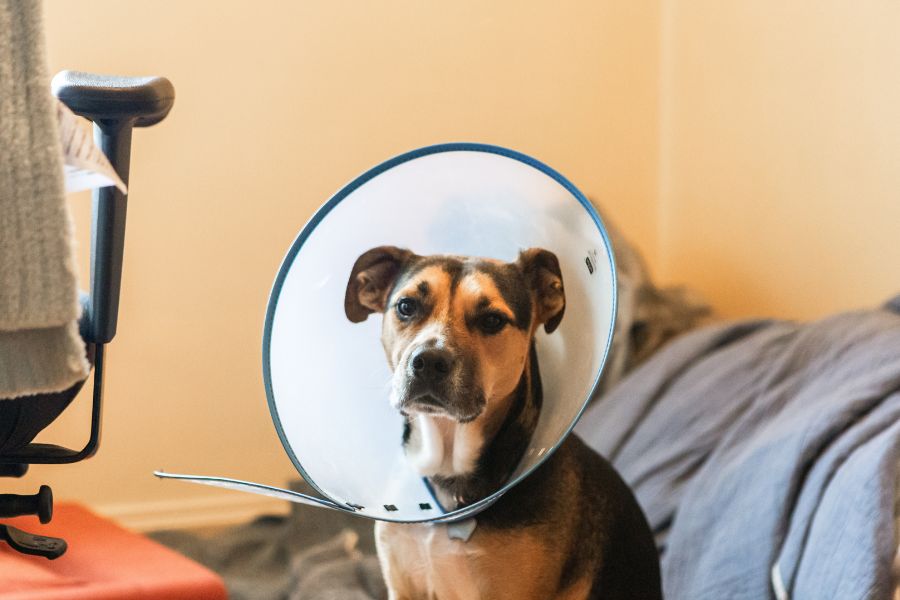
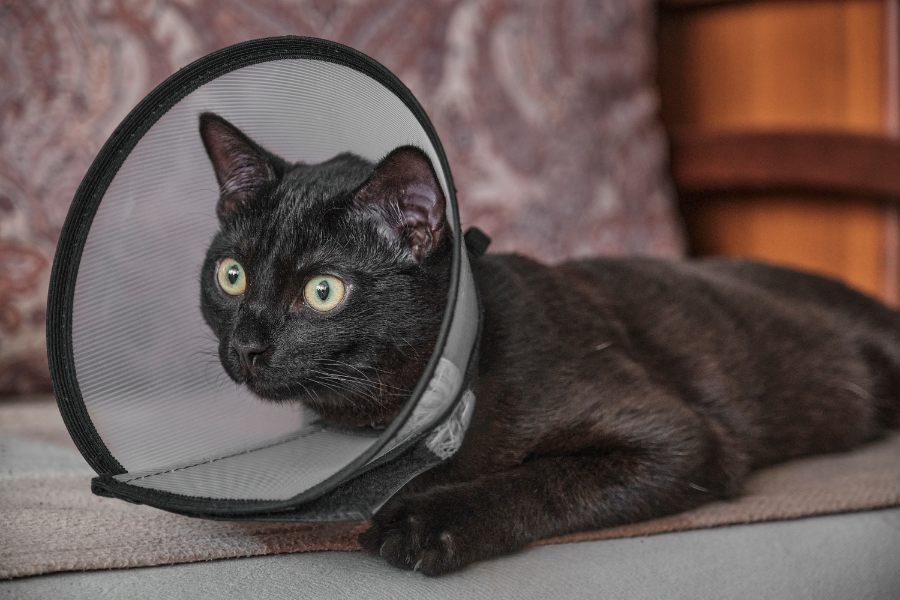
Prevent licking and chewing. Even a few minutes of attention to an incision can damage the area, so use the recovery collar or other barrier recommended by your veterinarian. If your pet cannot eat, drink, or rest comfortably while wearing it, ask the clinic about a suitable alternative rather than removing it without a plan.
Do not bathe your pet or allow swimming until your veterinarian says it is safe. Keep the incision dry and avoid activities that stretch or rub the surgical area.
Contact your veterinary team if you are unsure whether a change is normal. A clear photo may help the clinic advise you, but it does not replace an examination when the wound appears to be opening or your pet seems unwell.
How Can You Keep Your Pet Calm and Limit Activity During Recovery?
Many pets feel better before their bodies have fully healed. A dog may want to chase a ball, or a cat may try to leap onto a windowsill soon after returning home. Too much activity can strain an incision or interfere with healing, particularly after orthopedic or abdominal surgery.
Follow the activity restrictions given by your veterinarian. The length of rest varies by procedure, and some pets need more restriction than others. Do not assume that your pet can resume normal activity because they are eating well or seem energetic.
Helpful ways to manage activity include:
- Use a leash for bathroom breaks when recommended.
- Keep walks short and controlled if your veterinarian allows them.
- Block stairs and access to high furniture.
- Avoid running, jumping, wrestling, and rough play.
- Separate recovering pets from energetic housemates when needed.
- Offer quiet companionship rather than exciting games.
- Ask your veterinarian about suitable mental enrichment if your pet becomes restless.
For cats, temporarily removing access to climbing structures may help prevent sudden jumps. For dogs, calm attention, gentle interaction, and a predictable routine can reduce frustration during restricted activity.
Do not use exercise as a way to tire your pet out during recovery. If your pet is restless, ask the veterinarian whether the current activity plan or pain management needs review. Restlessness can sometimes be related to discomfort rather than boredom.
Recovery is not a race. Give your pet time to heal and wait for veterinary clearance before returning to strenuous activity, even if your companion seems eager to resume normal life.
What Warning Signs Should You Watch for After Surgery?
Some sleepiness and temporary changes in routine may occur after anesthesia, but your pet should gradually become more alert and comfortable according to the discharge instructions. Knowing which signs need attention can help you act before a problem becomes more serious.
Contact your veterinarian if your pet has:
- Repeated vomiting or diarrhea
- Persistent refusal to eat beyond the expected recovery period
- Increasing pain, restlessness, or unusual vocalizing
- Worsening swelling, redness, or discharge at the incision
- Difficulty urinating or passing stool when this is unexpected
- Persistent coughing or changes in breathing
- Unusual weakness or a recovery that seems to be getting worse
Seek veterinary care if your pet has difficulty breathing, collapses, develops seizures, has uncontrolled bleeding, or has a wound that opens significantly. Pale gums, severe weakness, or sudden unresponsiveness also need urgent assessment.
If you are uncertain whether a symptom is expected, call the veterinary clinic and describe what you see. Be ready to share the surgery date, medication schedule, appetite, drinking, bathroom habits, and any changes around the incision.
Do not stop medication or add a new treatment because you suspect a complication. Your veterinarian can advise whether your pet needs a recheck or another type of care.
Conclusion
Preparing your home before surgery helps you provide a calmer, safer place for your pet to heal. Set up a clean resting area, keep supplies and medication instructions organized, limit activity as directed, and protect the incision from licking or moisture. Watch your pet’s appetite, behavior, bathroom habits, and surgical site, and contact your veterinarian when recovery does not follow the expected pattern. Every procedure is different, so the discharge instructions for your pet should guide your daily routine. If you are preparing for an upcoming procedure or have questions after your pet comes home, contact Bucksport Veterinary Hospital in Orland, ME for guidance on supporting a safe and comfortable recovery.
FAQs
Q1: How long does it take for a pet to recover after surgery?
A: Recovery time depends on the procedure, your pet’s age and health, and whether complications occur. Some pets return to their usual energy gradually over a few days, while others need several weeks of restricted activity. Follow the timeline provided by your veterinarian and attend recommended rechecks.
Q2: Should I let my dog or cat sleep alone after surgery?
A: Your pet should rest in a quiet, safe place where you can check on them regularly. Some pets may need closer supervision while recovering from anesthesia or while their movement is restricted. Ask your veterinarian how often to check your pet and whether overnight supervision is needed for the procedure performed.
Q3: What should I do if my pet will not eat after surgery?
A: Follow the feeding instructions provided at discharge, since some pets may eat less for a short time after anesthesia. Do not force food or change medication without veterinary advice. Contact your veterinarian if your pet refuses food beyond the expected period, repeatedly vomits, or seems increasingly weak or uncomfortable.
Q4: How can I stop my pet from licking the incision?
A: Use the recovery collar or other barrier recommended by your veterinarian, and check that it fits properly. Keep your pet supervised and do not apply creams or home remedies to the incision unless instructed. If the barrier prevents your pet from eating or drinking comfortably, ask the clinic about an appropriate alternative.
Q5: When should I call Bucksport Veterinary Hospital after my pet’s surgery?
A: Contact Bucksport Veterinary Hospital if your pet has worsening pain, persistent vomiting, unexpected appetite changes, increasing incision redness or swelling, or other concerns about recovery. Seek urgent veterinary care for difficulty breathing, collapse, seizures, uncontrolled bleeding, or a wound that opens significantly. Keep the discharge instructions nearby so you can check the guidance for your pet’s specific procedure.